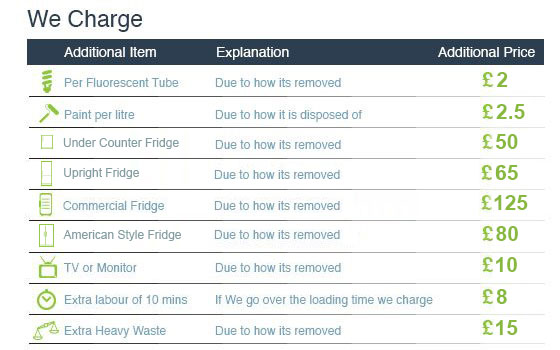
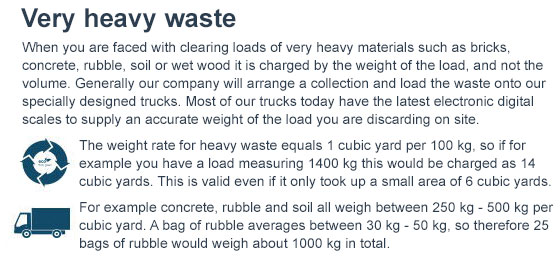
Regent's Park boundary rubbish tips for Marylebone homes
Posted on 22/05/2026
If you live near the Regent's Park boundary, rubbish management can feel oddly tricky. One street has tight access, another has residents' bays, and suddenly a simple clear-out turns into a game of timing, lift access, and whether the sofa will actually fit through the hall. That is exactly why Regent's Park boundary rubbish tips for Marylebone homes matter: they help you handle day-to-day waste, bulky items, and occasional clearances in a way that is tidy, practical, and less stressful.
This guide walks through what the phrase means in a real-world sense, how local rubbish handling works for Marylebone homes near the park edge, and which options make the most sense depending on the job. You will also find a checklist, a comparison table, common mistakes to avoid, and a few useful internal resources if you want to go deeper. Truth be told, the best rubbish plan is usually the one that fits your building, your schedule, and your neighbours.
Why Regent's Park boundary rubbish tips for Marylebone homes Matters
Marylebone homes close to Regent's Park often sit in a very particular sort of London reality. There is good access in some places, but not much spare space. There may be terraces, mansion blocks, basement flats, managed entrances, service corridors, concierge rules, or awkward staircases that make waste handling harder than it first appears. So a good rubbish plan is not just about "getting rid of stuff". It is about doing it cleanly, legally, and without turning the pavement into an obstacle course.
This matters for day-to-day living, but also for bigger moments. A move, refurb, end-of-tenancy tidy-up, a garden reset, or finally sorting the loft can create waste fast. If you live near the park boundary, you are also likely balancing residents, visitors, delivery traffic, and the general pace of central London. That makes thoughtful rubbish handling a real quality-of-life issue.
For many residents, the main challenge is not volume alone. It is timing. It is access. It is not wanting a pile of bags outside the front door for half a day because it looks untidy and invites trouble. If that sounds familiar, you are in the right place.
For broader context on the local area and how people live here, you may also find local resident advice for Marylebone useful, especially if you are trying to plan around building rules and everyday routines.
How Regent's Park boundary rubbish tips for Marylebone homes Works
At a practical level, rubbish handling near the Regent's Park boundary usually comes down to three questions: what needs removing, how much there is, and how easily it can be collected from your property. That sounds simple. It rarely is. A single armchair can be harder to move than six bin bags, and a small flat with no lift can be harder to service than a larger house with side access.
Most Marylebone homes use a mix of ordinary household bin collection, recycling arrangements, and occasional specialist clearance for items that do not belong in the regular bins. Bulky waste, furniture, old appliances, garden waste, builders' debris, and loft clutter all tend to need a more deliberate solution. In some cases, a local rubbish collection service in Marylebone is the neatest answer. In others, you might need a full rubbish clearance in Marylebone or a more specialised service.
The "boundary" part matters because properties near the park often have different practical constraints from a high-street shop or a suburban house. Some buildings are better suited to pre-booked collection windows. Others work better with teams that can carry items from inside the property, down stairs, and directly to the vehicle. Small detail, big difference.
In our experience, the smoothest jobs start with a quick sort into clear categories: keep, donate, recycle, and dispose. That one habit saves time, lowers confusion, and tends to produce better results. It also means you are less likely to pay for space or labour you do not need.
Key Benefits and Practical Advantages
The biggest benefit of a well-planned rubbish tip or removal routine near Regent's Park is simple: less disruption. You avoid clutter, reduce the chance of missed collections, and keep your home and common areas more pleasant. A tidy entrance can make a remarkable difference in a Marylebone block, especially where neighbours notice everything. And they do, let's face it.
There are some practical advantages too:
- Better access: bulky items are moved without blocking hallways, lifts, or shared entrances.
- Cleaner presentation: useful for homeowners, landlords, and anyone preparing a property for sale or let.
- Less personal effort: you avoid multiple trips, parking headaches, and awkward lifting.
- Improved sorting: recyclables, reusable items, and waste can be separated more sensibly.
- Safer handling: less risk of injury from moving awkward furniture or heavy bags on stairs.
There is also a quieter benefit that people sometimes overlook: peace of mind. If rubbish is cleared properly, you are not looking at it every time you come in with the shopping or leave for work at 8:10 on a wet Tuesday morning. That matters more than people admit.
If you are comparing service types, browsing the wider services overview can help you see which option fits your situation without guessing.
Who This Is For and When It Makes Sense
This kind of rubbish guidance is useful for a fairly wide range of Marylebone residents. The obvious group is homeowners near Regent's Park who are dealing with ongoing household waste or an occasional clear-out. But the need often appears in other situations too.
- Homeowners: especially if you are clearing a spare room, basement, loft, or garage.
- Buy-to-let landlords: useful between tenancies or after furniture changes.
- People moving house: ideal when sorting items that will not make the journey to the next place.
- Renovating residents: old fixtures, packaging, and rubble can pile up fast.
- Busy professionals: if your schedule makes several dump runs unrealistic.
- Older residents or family helpers: when lifting and carrying are not practical.
It also makes sense when you have a mixed pile. A few bags of general rubbish, one broken desk, some packaging, and a tired bookshelf do not always fit neatly into one bin strategy. In that case, a more structured clearance approach is easier than improvising.
A common real-life scenario is the "we'll deal with it later" corner in the spare room. Then later becomes six months, and suddenly the room is full of lamps, boxes, and a vacuum cleaner from another era. If that is you, no judgement. It happens.
Step-by-Step Guidance
If you want to approach rubbish removal around Regent's Park boundary homes without the usual faff, a simple sequence helps. Nothing fancy. Just clear decisions.
- Identify the waste type. Separate household rubbish from bulky items, furniture, garden waste, and anything that might need special handling.
- Check access. Think about stairs, lifts, narrow corridors, parking, and whether collection can happen from inside or only at the kerb.
- Sort by priority. Move urgent items first, such as anything blocking a room or causing safety issues.
- Decide what can be reused or recycled. If an item still has life in it, it may be better handled separately. That includes some furniture and household items.
- Measure awkward items. A quick tape measure check can prevent a sofa-and-doorframe disagreement later.
- Choose the right service level. Some jobs suit simple collection, while others need full clearance or specialist removal.
- Book for a sensible time. Quiet hours, loading access, and neighbour considerations all matter in central London settings.
- Prepare the items. Bundle loose waste, remove personal effects, and keep paths clear for the team.
- Confirm what happens next. Ask about recycling, disposal routes, and whether anything needs to be left separate.
A tiny tip, but a useful one: take photos before the job if the pile is awkward or spread across rooms. It helps you think clearly and makes quoting easier. Not glamorous, but effective.
Expert Tips for Better Results
If you want a better result than the average last-minute clear-out, a few habits make a noticeable difference. None of them are complicated. They are just the kind of thing that saves time later.
Start at the edges, not the centre. In other words, clear access first. A hallway, landing, or front path that is tidy makes the whole job easier. This is especially true in period properties where space feels tight the moment a bulky item appears.
Use the "one touch" rule. When you pick something up, decide its destination then and there: keep, recycle, donate, or remove. Moving the same item three times is how small jobs become long ones.
Think in load shape, not just volume. A pile of light packaging is very different from a single awkward wardrobe. The shape and weight distribution matter for safe handling.
Plan around building rhythms. If you live in a block, try to avoid collection times that clash with deliveries, school runs, or concierge shifts. A quiet early window can save a lot of hassle.
Be honest about what you will actually do yourself. People often say they will dismantle furniture first. Then Saturday arrives and the screwdriver remains in a drawer. If you know you will not get to it, plan accordingly.
You can also explore more practical options such as furniture disposal in Marylebone, loft clearance in Marylebone, or garage clearance if the clutter is tied to one specific area of the home.
Common Mistakes to Avoid
Most rubbish headaches around the Regent's Park edge come from the same few mistakes. The good news is they are easy to avoid once you know them.
- Leaving bags outside too early: this can create a mess, upset neighbours, and look untidy if collection is delayed.
- Mixing everything together: recyclable items, general waste, and reusable goods are easier to handle when separated.
- Underestimating access problems: narrow stairs and awkward corners often matter more than the pile itself.
- Forgetting about parking or loading space: central London collections need realistic planning.
- Ignoring building rules: some blocks have specific times, lift protection, or concierge procedures.
- Keeping hazardous or specialist items in the pile: these may need separate handling, not general disposal.
- Waiting until the job becomes urgent: once waste builds up, the whole process becomes more stressful and less efficient.
A small but important point: if an item looks fine but is too heavy for one person to move safely, it is not "fine". It is just waiting for a back strain. Bit dramatic, maybe, but true.
Tools, Resources and Recommendations
You do not need a van full of gear to manage rubbish sensibly, but a few simple tools help a lot. A tape measure, thick gloves, bin bags, marker pen, and a phone camera are often enough for the planning stage. If you are sorting a loft or garage, labels or coloured tape can stop you from re-mixing everything after twenty minutes of sorting.
For residents wanting a clearer picture of environmentally minded disposal, the site's recycling and sustainability page is a useful place to start. It gives a better sense of how responsible disposal choices fit into a larger picture, especially if you want less landfill and more recycling where possible.
If your job is tied to a wider move or property project, the following pages may also help:
- house clearance in Marylebone for larger domestic clear-outs
- builders' waste clearance for renovation debris
- waste removal for more general disposal needs
- junk removal in Marylebone if you are dealing with mixed clutter
If you prefer to understand pricing or service expectations before booking anything, the pricing and quotes page is the natural next step. And if you are unsure whether your collection needs a specialist or standard service, it is usually worth asking directly. Saves guesswork.
Law, Compliance, Standards, or Best Practice
For rubbish handling in London, good practice matters. You do not need to know every technical detail to make sensible decisions, but you should be careful about where waste goes and who handles it. Household waste, bulky items, and construction debris all need lawful disposal routes, and it is wise to use a provider that can explain what happens to collected material in plain English.
As a resident, the main practical rules are straightforward: do not obstruct pavements, avoid fly-tipping, and make sure waste is handled by a legitimate collection route. If you are using a service, it should be clear about safety, insurance, and process. For a better sense of those standards, the site's insurance and safety information is worth reviewing.
There is also a good reason to keep documentation tidy, especially if you are a landlord, managing agent, or property owner dealing with tenants. Being able to show a clear service trail is just sensible. Not exciting, but sensible beats messy every time.
If you want to understand the business side too, about us can help you see how the service positions itself, while terms and conditions and payment and security are useful if you are checking what to expect before booking.
Options, Methods, or Comparison Table
Different waste situations call for different methods. If you are deciding between doing it yourself, booking a collection, or arranging a fuller clearance, this comparison may help.
| Option | Best for | Pros | Trade-offs |
|---|---|---|---|
| Self-disposal | Very small amounts of waste | Low cost, complete control | Time-consuming, parking and lifting issues, not ideal for bulky items |
| Standard rubbish collection | Regular household waste or modest mixed loads | Convenient, quick, less effort | May not suit awkward furniture or large clear-outs |
| Bulky waste removal | Sofas, beds, appliances, oversized items | Handles hard-to-move items safely | Needs good access planning and clear item descriptions |
| Full house clearance | Moves, probate situations, major decluttering | Most comprehensive option, less stress | More planning needed, usually broader scope |
| Specialist builders' clearance | Renovation debris, packaging, rubble | Suitable for construction waste | Must separate from ordinary household rubbish |
For many Regent's Park boundary homes, the best choice is not one thing forever. It changes by project. A one-bedroom flat doing a tidy-up may only need collection; a property undergoing refurbishment may need a specialised clearance. Flexibility helps.
If you are dealing with a particularly awkward item, the Baker Street bulky waste removal guide is a sensible related read for nearby Marylebone situations.
Case Study or Real-World Example
Here is a realistic example. A Marylebone homeowner near the Regent's Park side wanted to clear a spare bedroom that had quietly become storage for an old desk, a broken office chair, a mattress, three boxes of books, and a few items that had been "temporarily" kept there for about two years. Very normal, actually.
The main issue was not the amount. It was access. The staircase was narrow, the front entrance was shared, and the desk would not move in one piece. So the practical approach was to sort the room into keep, recycle, donate, and remove. The desk was dismantled, the chair and mattress were identified for removal, and the books were boxed separately. The collection itself was then easier because the items had already been organised.
What made the difference was the planning. The hallway stayed clear. Neighbours were not inconvenienced. The job looked smaller and felt smaller. And when the room was finished, the owner could finally use it again without that slightly guilty glance every time they opened the door.
That is the real value of good rubbish planning near Regent's Park boundary homes. It turns a messy problem into a manageable one.
Practical Checklist
Use this checklist before arranging rubbish removal or tip-related planning for a Marylebone home near Regent's Park:
- Identify the exact waste types you need to remove.
- Separate keep, donate, recycle, and dispose piles.
- Measure large or awkward items before booking.
- Check stairs, lifts, doors, and access routes.
- Confirm whether parking or loading space is available.
- Review building rules if you live in a managed block.
- Remove personal items from drawers, cupboards, and boxes.
- Bundle loose waste so it is easy to handle.
- Keep children, pets, and residents away from moving routes.
- Choose the right service for the load size and item type.
- Ask about recycling and disposal expectations.
- Keep the contact details handy in case timing changes.
If you want to make the next step easier, you can always contact the team directly to talk through access, item type, or booking questions. It is often quicker than trying to guess the right service online.
Conclusion
Regent's Park boundary rubbish tips for Marylebone homes are really about making a busy urban life a bit simpler. When rubbish is handled properly, your home feels calmer, access stays clear, and you avoid the small frustrations that pile up when waste is left to linger. Whether you are clearing a single bulky item, sorting a loft, or planning a larger house clearance, the right approach comes down to practical preparation and choosing the correct service for the job.
For Marylebone residents, the smartest habit is usually the simplest one: sort early, measure honestly, and use a service that matches the space you actually have. That one change can save a surprising amount of time. And stress, too.
Get a free quote today and see how much you can save.
Sometimes the tidiest homes are not the ones that never get messy. They are the ones where the mess gets dealt with well, and life carries on.



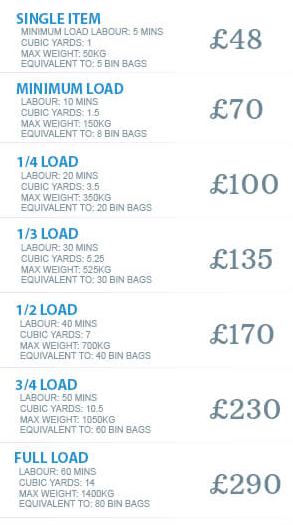
 Tipper Van - Rubbish Removal and Rubbish Disposal Prices in Marylebone, W1
 Luton Van - Rubbish Removal and Rubbish Disposal Prices in Marylebone, W1