Baker Street bulky waste removal guide for Marylebone (W1)
Posted on 27/04/2026
If you live, work, or manage property near Baker Street, bulky waste has a habit of appearing at the least convenient moment. A wardrobe that won't fit down the stairs, an office desk replaced during a refit, a sofa left after a tenancy change, or a stack of packaging after a renovation can quickly turn into a practical headache. This Baker Street bulky waste removal guide for Marylebone (W1) explains how to deal with large unwanted items safely, efficiently, and with minimal disruption.
Whether you are a homeowner, landlord, tenant, facilities manager, or letting agent, the aim is the same: clear the space without creating extra stress, unnecessary lifting, or avoidable delays. Below you'll find a plain-English guide to the process, the best options, what to expect, how to avoid common mistakes, and how to choose the right approach for a busy central London location.
For a broader look at available support, you may also find the services overview useful, especially if your bulky waste sits alongside general rubbish, furniture, or renovation debris.
Why Baker Street bulky waste removal guide for Marylebone (W1) matters
Baker Street sits in one of London's most compact, active, and property-dense areas. That matters because bulky waste is harder to handle where access is tighter, parking is limited, and buildings often have stairs, narrow hallways, loading constraints, or shared entrances. In other words, the ordinary problem of "getting rid of a big item" becomes a logistics question.
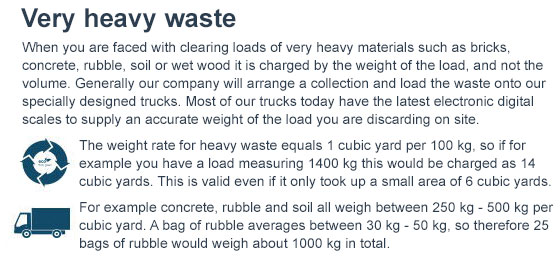
Bulky waste usually includes large household or commercial items that are too awkward for standard bins. Think sofas, mattresses, wardrobes, white goods, office chairs, filing cabinets, dismantled shelving, broken tables, and other oversized items. Sometimes the waste is not even particularly heavy; it is simply awkward, bulky, or too large to move safely without planning.
In Marylebone, timing and access are often as important as the item itself. If you are coordinating around tenants, office hours, deliveries, concierge arrangements, or building rules, a clear plan saves time. It also reduces the risk of damage to walls, lifts, floors, or common areas. For properties undergoing wider clearance, it can be helpful to pair this work with waste clearance in Marylebone or, where the job is primarily domestic, house clearance services.
Key point: bulky waste removal in Baker Street is not just about disposal. It is about access, safety, speed, and making sure the clearance fits the realities of central London living.
How Baker Street bulky waste removal guide for Marylebone (W1) works
The process is usually straightforward, but the details matter. Most bulky waste removals follow a similar pattern: identify what needs to go, assess access, agree the collection method, and remove the items responsibly.
In practical terms, a proper service will usually begin with item assessment. That means noting what the items are, how many there are, whether they can be carried intact, whether they need dismantling, and whether there are any access challenges such as stairs, basement storage, controlled entry points, or limited waiting space outside the property.
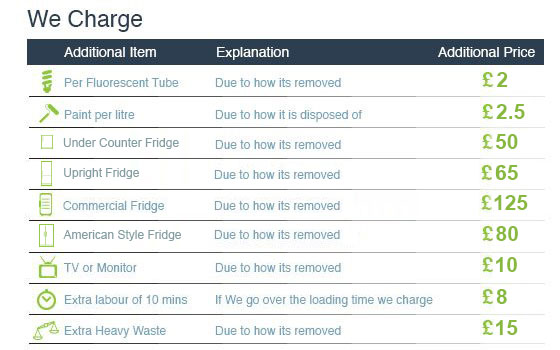
Next comes quoting. A quote may be based on item type, volume, labour, weight, and ease of access. A single sofa from a first-floor flat is a very different job from clearing several wardrobes from a top-floor apartment with no lift. If pricing is a concern, it is sensible to review the provider's pricing and quotes information before booking.
Then the collection itself takes place. In a well-run job, the team will arrive with the right vehicle, lifting equipment, and protective materials. Items are removed with care, then sorted so reusable or recyclable materials can be separated where possible. That last part matters more than many people realise. It is not just about getting rubbish out of sight; it is about handling waste properly.
If you are dealing with mixed loads, the right service may overlap with general rubbish removal in Marylebone or furniture disposal. For business premises, office clearance may be the better fit.
Key benefits and practical advantages
Done well, bulky waste removal is one of those services that quietly saves an enormous amount of time and effort. The benefits are practical rather than glamorous, which is exactly why people appreciate them.
- Less manual lifting: You avoid risking injury by moving heavy or awkward items yourself.
- Faster turnaround: A good clearance clears space in hours, not days.
- Cleaner property presentation: Useful for lettings, sales, refurbishments, and handovers.
- Better access management: Especially important where lifts, stairwells, and shared entrances must remain tidy.
- More responsible disposal: Items can be sorted for recycling or reuse where appropriate.
- Less disruption to neighbours: Particularly helpful in dense residential blocks and mixed-use buildings.
There is also a mental benefit that people often underestimate. Once the bulky item is gone, the room immediately feels larger, calmer, and more usable. That may sound obvious, but anyone who has tried living around a collapsed wardrobe or an old mattress leaning in the hallway knows exactly what that relief feels like.
For readers who want to explore the broader local service mix, the main services page is a useful starting point.
Who this is for and when it makes sense
This kind of removal is useful in a surprisingly wide range of situations. It is not only for people doing a full clear-out. In Baker Street and the wider Marylebone W1 area, bulky waste jobs often arise from ordinary life changes.
Common scenarios
- Residents moving out or moving in: Old furniture, unwanted appliances, and leftover items need to go before keys change hands.
- Landlords and letting agents: End-of-tenancy clearances can require fast removal between occupiers.
- Homeowners refurbishing: Renovations often generate broken furniture, packaging, fixtures, and old fittings.
- Office managers: Desk swaps, fit-outs, storage clearance, and furniture replacement produce large waste streams.
- Estate and probate situations: When a property needs sorting, bulky items are often only part of a broader clearance.
- People decluttering after long-term storage: Loft or garage contents can quickly become too large to manage alone.
If your needs lean toward a wider property emptying rather than a single-item collection, it may be worth looking at house clearance or even loft clearance. For smaller mixed loads, junk removal can be a better fit.
One useful rule of thumb: if the items are large enough to need two people, likely to scratch walls, or impossible to fit into a normal bin schedule, bulky waste removal is probably the smarter route.
Step-by-step guidance
Here is a practical way to handle bulky waste removal in Baker Street without turning it into a stressful project.
- List every item clearly. Write down what is going, including approximate size and quantity. "Two armchairs, one wardrobe, one broken desk" is much more useful than "some furniture."
- Check access routes. Note stairs, lift dimensions, parking restrictions, front-door access, concierge requirements, and any building rules.
- Separate what may be reusable. Good-quality items may be suitable for resale or donation, while damaged items will need disposal.
- Identify risky items early. Some items may contain glass, sharp edges, heavy hardware, batteries, or electrical components.
- Request a clear quote. Ask how labour, vehicle use, loading, and disposal are handled. If you want an idea of the operator's approach to clarity, take a look at their about us page and insurance and safety information.
- Confirm the collection window. In Marylebone, timing matters. Pick a slot that avoids peak disruption where possible.
- Prepare the items. Move them to an accessible point only if it is safe to do so. Do not force heavy items through tight spaces.
- Allow room for loading. If the vehicle needs kerbside access, make sure you understand the practical constraints beforehand.
- Keep proof of the arrangement. Save booking details and any collection confirmation in case you need a record later.
- Inspect the area after removal. Check floors, door frames, and communal areas once the items have gone.
If the removal is part of a larger clean-up, combining it with builders waste disposal in Marylebone or garden waste removal can save time by consolidating the visit.
Expert tips for better results
Small decisions make a surprisingly big difference on busy Baker Street streets. In our experience, the best jobs are the ones where the customer spends five minutes planning and saves fifty minutes of avoidable back-and-forth.
1. Photograph the items before booking
Photos help describe volume, condition, and access. They also reduce misunderstandings, especially if the items include awkward shapes or mixed materials.
2. Measure the awkward bits, not just the room
Doorways, lifts, hall corners, and stair turns are where bulky items often become a problem. A wardrobe that fits the bedroom may still fail at the landing.
3. Separate electrical items early
Fridges, microwaves, monitors, and similar items can require different handling from standard bulky furniture. If you are not sure, ask before collection.
4. Clear the route to the item
Remove small obstacles, rugs, and loose items from the corridor or entrance path. It is a simple step that makes loading much smoother.
5. Think about timing around neighbours and building use
Early morning, lunch, and late evening are not always ideal in apartment buildings. A better slot can reduce friction for everyone.
6. Use the job to improve the whole space
Many people clear one bulky item and then realise two or three smaller things should leave as well. That is often the right call. A more complete clearance can be more efficient than repeated one-off visits.
For reassurance around standards and responsible handling, it can also help to review a provider's recycling and sustainability approach.

Common mistakes to avoid
Most bulky waste problems in Marylebone come from planning gaps, not from the waste itself. Avoiding a few typical mistakes can make the whole process much easier.
- Leaving booking until the last minute: This creates pressure and reduces flexibility.
- Guessing the load size: Underestimating volume often leads to a revised quote or extra visit.
- Ignoring access issues: A job can be delayed if stairs, lifts, or entry arrangements were not mentioned.
- Moving heavy items without help: This is where people hurt backs or damage flooring.
- Forgetting building rules: Shared premises often have practical requirements about collection times and loading access.
- Mixing hazardous items with ordinary waste: Some materials need separate handling and should be flagged clearly.
- Assuming all services are the same: A generic rubbish service may not suit a complex furniture or office clearance.
Another common issue is a half-finished clear-out. People remove the obvious large item, then leave behind broken shelves, packaging, or a stack of smaller things that were part of the same problem. If that sounds familiar, a broader waste clearance may be more efficient than piecemeal removal.
Tools, resources and recommendations
You do not need specialist equipment for every bulky waste job, but the right tools help. If you are preparing the space yourself before a team arrives, keep the setup simple and safe.
Helpful practical tools
- Measuring tape: Useful for door widths, stair turns, and lift dimensions.
- Gloves: Good for minor handling, but they do not replace safe lifting.
- Protective floor coverings: Helpful in higher-value interiors or tight communal corridors.
- Label stickers or notes: Useful when multiple people are involved in the clearance.
- Basic tools for dismantling: Only if you are competent and it is safe to do so.
Smart resources to check
- Service pages: Use them to see whether the provider handles furniture, office items, or mixed waste.
- Pricing information: A transparent quote page reduces guesswork and helps you compare options.
- Safety and insurance details: These matter more than most people think, especially in shared buildings.
- Recycling approach: Good operators explain how they handle reuse and recovery.
Related services that may be relevant include office clearance, builders waste disposal, and general rubbish removal. If you are comparing service styles, the full services overview is a sensible place to start.
Law, compliance, standards, and best practice
Bulky waste removal is not something to treat casually, particularly in a busy London neighbourhood. While the exact responsibilities depend on the waste type and the arrangement you use, there are some widely accepted UK best practices worth keeping in mind.
First, waste should be handled by a suitable operator who knows how to manage, sort, and dispose of it responsibly. That matters for household items, mixed loads, and commercial clearances alike. Second, electrical items, heavy furniture, and potentially contaminated materials should not be treated as ordinary, one-size-fits-all waste. Third, anyone arranging a clearance should avoid fly-tipping, unsuitable dumping, or leaving items in common areas.
If you are a landlord, agent, or business manager, it is also wise to maintain a record of what was removed and when. That is less about bureaucracy and more about sensible housekeeping. And if you are using a professional team, the provider should be able to explain their working practices clearly and calmly.
For readers who value trust signals, it may be useful to review terms and conditions, privacy policy, and payment and security information before confirming a booking. These pages are not just formalities; they tell you how the company operates.
Best-practice summary: choose a clear quote, disclose access constraints, separate waste types where necessary, and keep the process documented. Simple, but effective.
Options, methods, or comparison table
There are several ways to deal with bulky waste in Baker Street. The right choice depends on urgency, volume, access, and how much work you want to do yourself.
| Option | Best for | Advantages | Limitations |
|---|---|---|---|
| Self-moving to a disposal point | Very small loads and experienced DIY movers | Can be economical if you already have transport | Time-consuming, physically demanding, and awkward in flats |
| Skip hire | Projects with a steady stream of bulky waste or mixed renovation debris | Good for ongoing works and larger volumes | Needs space and planning; not ideal for tight streets or one-off items |
| Professional bulky waste removal | Most household, office, and landlord clearances | Fast, handled for you, less lifting, easier in restricted access areas | Usually more expensive than doing it yourself |
| Full clearance service | Multiple rooms, probate, moves, and end-of-tenancy jobs | Efficient for larger or mixed clear-outs | May be more service than you need for one item |
If you are debating between a one-off bulky item collection and a wider property clearance, ask yourself a simple question: am I clearing a single problem item, or am I clearing a space? That answer usually points to the right option.
For a more direct disposal route, some readers compare this with skip hire in Marylebone. That can be useful on refurbishment jobs, but less convenient for flats and quick removals.
Case study or real-world example
Consider a typical Marylebone scenario: a second-floor flat near Baker Street has an old sofa, a mattress, a disassembled desk, and a broken chest of drawers. The resident wants everything gone before a new tenant moves in, but the building has a narrow stairwell and a shared entrance.
Rather than trying to move everything in stages over a weekend, the resident lists the items, photographs them, checks the staircase width, and confirms the preferred collection window. The team arrives with the right equipment, removes the items carefully, and clears the hallway without blocking the communal route for long. Because the load was described accurately, there are no surprises, and the job finishes quickly.
That is the ideal outcome: less waiting, fewer risks, and no improvised carrying of a wardrobe down a stairwell that was clearly not designed for furniture gymnastics.
In a nearby business setting, the same logic applies. An office can save time by grouping old desks, chairs, and filing units into one organised removal instead of arranging several fragmented clearances. If that sounds familiar, rubbish collection in Marylebone can be useful for regular or repeat waste needs, while waste removal support may suit broader property jobs.
Practical checklist
Use this checklist before booking bulky waste removal in Baker Street or anywhere in Marylebone W1.
- Identify every item that needs removing.
- Measure the largest pieces and note access constraints.
- Check whether any items are electrical or require special handling.
- Decide whether the job is a simple bulky removal or a wider clearance.
- Take photos for reference and quoting.
- Confirm building access, parking, and collection timing.
- Ask about insurance, safety, and responsible disposal.
- Review pricing details before you book.
- Clear the route to the items if it is safe to do so.
- Keep confirmation details and check the area after the collection.
If you can tick most of those boxes, the rest of the job usually goes smoothly.
Conclusion
Baker Street bulky waste removal is easiest when you treat it as a practical logistics task rather than a last-minute chore. In a part of Marylebone where access can be tight and time matters, the best results come from clear planning, honest item descriptions, and a service that understands how central London properties actually work.
Whether you are clearing one awkward item or sorting a much larger load, a calm and organised approach will save time, reduce stress, and help keep the property tidy and safe. If you want the process handled efficiently, choose a provider that explains its service clearly, keeps pricing transparent, and respects the realities of the building you live or work in.
Get a free quote today and see how much you can save.


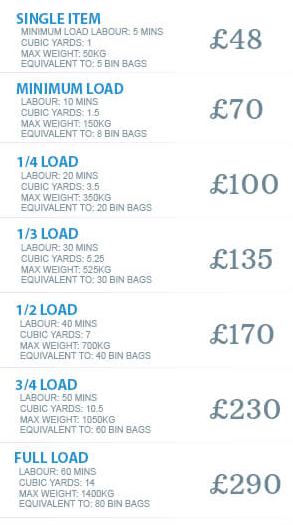
 Tipper Van - Rubbish Removal and Rubbish Disposal Prices in Marylebone, W1
 Luton Van - Rubbish Removal and Rubbish Disposal Prices in Marylebone, W1