Westminster Council waste rules Marylebone landlords must know
Posted on 23/06/2026
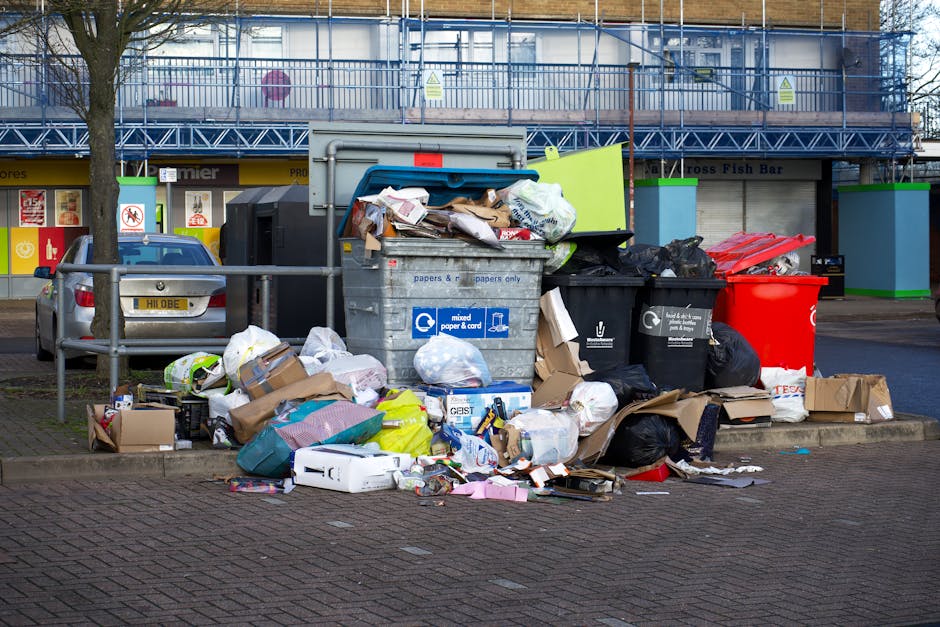
If you let property in Marylebone, waste management is one of those boring-looking jobs that can become very expensive, very quickly. The practical side of Westminster Council waste rules Marylebone landlords must know is simple: if bins, bagged waste, bulky items, or fly-tipped rubbish are handled badly, the fallout can land on your time, your tenant relationships, and sometimes your wallet too. And let's face it, no landlord wants a complaint about overflowing bags outside a smart W1 block at 8am on a Monday.
This guide breaks down the rules in plain English, explains what usually causes trouble, and shows you how to keep a Marylebone rental clean, orderly, and easier to manage. You'll also find a step-by-step process, a checklist, a practical example, and a few links to helpful pages if you need support with clearance or disposal.
- Why these waste rules matter for Marylebone landlords
- How the waste system works in practice
- Key benefits of getting it right
- Who needs this guidance and when it matters
- Step-by-step landlord guidance
- Expert tips for smoother compliance
- Common mistakes to avoid
- Tools, resources, and practical recommendations
- Law, compliance, and best practice
- Options and comparison table
- Real-world example
- Practical checklist
- Conclusion
- Frequently asked questions
Why Westminster Council waste rules Marylebone landlords must know Matters
Marylebone is not the sort of place where rubbish can be left to drift into "later". Buildings are often tightly managed, pavements are busy, and a single wrong move can create a visible mess fast. That matters because waste in a rental property is never just waste. It can affect property presentation, tenant satisfaction, building management, neighbour relations, and how quickly you can turn a flat around between tenancies.
For landlords, the biggest issue is usually not one dramatic incident. It's the small stuff. A tenant places bags outside too early. A sofa is left in a communal hall. A loft clear-out creates piles of mixed junk. A builder leaves debris after a small refurb. None of that sounds catastrophic on its own, but it can become a nuisance complaint or a compliance headache if it is left unmanaged.
It also matters because Westminster tends to expect a higher standard of presentation in busy residential streets and mixed-use blocks. That doesn't mean landlords need to overcomplicate things. It does mean you need clear instructions, sensible collection arrangements, and a fast response when waste starts to accumulate.
Expert summary: Most waste problems for Marylebone landlords come down to clarity. When tenants know where waste goes, when it can go out, and who handles bulky items, the whole building runs more smoothly.
If you manage more than one property, this becomes even more important. One building's waste routine may work perfectly, while the next one needs a completely different system because of access, storage, or concierge arrangements. In our experience, that's where landlords often save themselves the most trouble: by tailoring the routine instead of forcing every building into the same habit.
How Westminster Council waste rules Marylebone landlords must know Works
The basic logic is straightforward. Household waste should be stored, presented, and removed in a way that keeps public areas safe and tidy. In a Marylebone rental, that usually means a combination of tenant responsibility, landlord oversight, and building-level coordination.
Waste can include everyday bin bags, recycling, glass, food waste, garden clippings, furniture, appliances, renovation debris, and the random items that appear during a move-out. Some of these can go into regular collection arrangements. Others need separate disposal, specialist handling, or an arranged bulky waste service.
What landlords need to know is that waste rules are not only about where rubbish ends up. They also cover:
- how long bags or bins can remain outside
- whether waste is put out in the right containers
- whether bulky items are left in communal spaces
- who is responsible for clearing trade or refurbishment waste
- how to avoid obstruction, smells, pests, and complaints
A lot of the friction comes from timing. A tenant thinks, "I'll pop this out tonight because collection is tomorrow." Then a fox gets into it, or the bag tears, and suddenly there's a trail down the pavement. One small slip. That's all it takes.
If your property is undergoing clearance, a house clearance in Marylebone or a dedicated waste removal service can help keep the process controlled rather than chaotic. For larger landlord portfolios, it may also be useful to review your wider property management approach alongside Marylebone real estate dealings, especially if you are buying, selling, or upgrading units between tenancies.
Key Benefits and Practical Advantages
Following the rules is not just about avoiding trouble. There are real operational benefits too, and some are surprisingly immediate.
- Cleaner common areas: Less mess in entrances, courtyards, and pavements.
- Fewer complaints: Neighbours and building managers are less likely to chase you.
- Faster void turnaround: Flats are easier to re-let when waste is dealt with quickly.
- Lower risk of fly-tipping issues: No ambiguous piles outside the building inviting the wrong kind of attention.
- Better tenant behaviour: Clear rules encourage better habits. Simple, really.
- Improved property image: In Marylebone, appearance matters, perhaps more than people admit.
There's also a softer benefit. Well-managed waste makes a property feel cared for. Tenants notice that. Prospective tenants notice it even faster. A tidy bin store and a clear disposal process quietly signal that the landlord is on top of things.
For landlords who handle frequent furniture changes, a route to furniture disposal in Marylebone can make end-of-tenancy work less stressful. And if you are comparing practical options, the wider services overview can be a useful place to understand what type of help fits your situation.
Who This Is For and When It Makes Sense
This guidance is most useful if you are any of the following:
- a buy-to-let landlord with one Marylebone flat
- a portfolio landlord managing multiple units in Westminster
- a letting agent overseeing move-outs and new tenancies
- a freeholder or block manager dealing with communal waste pressure
- an investor refurbishing a property before relaunch
- a landlord dealing with eviction, abandonment, or urgent clearance
It also matters whenever there is a transition point. That's the big clue. Waste problems often show up when people move in, move out, redecorate, or share responsibility and nobody is quite sure who is doing what. If the property has been left in a messy state after a tenancy, you may need a more structured approach such as same-day clearance for urgent Marylebone evictions or a dedicated rubbish clearance service.
One quiet truth: landlords who only think about waste when there is already a problem tend to spend more time, not less. The ones who build a system up front usually find the whole thing far more manageable. Not glamorous, but effective.
Step-by-Step Guidance
Here's a practical way to manage waste rules without turning it into a second job.
- Map the property's waste setup. Check where bins are stored, where they are collected from, and whether the building has any special instructions from the managing agent or block rules.
- Set tenant expectations early. Put waste instructions in the welcome pack, tenancy notes, or move-in email. Keep it short. People actually read short instructions.
- Separate everyday waste from bulky items. Make clear what can go in general waste, recycling, and food waste, and what must be booked or arranged separately.
- Plan for end-of-tenancy clearance. Do not wait until the handover day. Book removal early if the tenant is leaving furniture, broken appliances, or mixed junk behind.
- Check for communal area risks. If bags are likely to be left in hallways or courtyards, tighten the rules before it becomes a habit.
- Use a trusted clearance option where needed. For mixed loads or larger removals, a reliable junk removal or rubbish collection option may be easier than trying to piece together ad hoc solutions.
- Document everything. Keep photos, dates, and notes when waste is left by tenants or contractors. It helps with disputes and keeps communication clean.
A small but useful point: if you manage refurbishment works, do not assume builders will sort waste in the way you expect. Always clarify who is clearing what. If in doubt, a specialist route such as builders waste clearance in Marylebone can prevent debris from lingering after the job is done.
Expert Tips for Better Results
There are a few habits that make a surprisingly big difference in Marylebone. None of them are difficult, which is the nice part.
- Use one clear instruction sheet per property. Different buildings need different bin days, storage rules, and access details.
- Photograph the bin area during check-in and check-out. This is helpful if waste responsibility is disputed later.
- Choose collection timing carefully. Early-morning collections can reduce visibility and complaints in busy streets.
- Watch for "temporary" pile-ups. Temporary has a habit of becoming permanent if nobody intervenes.
- Plan furniture disposal before the last week. Sofas and mattresses are easiest to manage when removal is scheduled before the tenant leaves.
- Keep a local clearance partner on standby. In practice, speed matters more than anything when an urgent issue appears.
To be fair, a landlord does not need to micromanage every black bag. But you do need a routine that holds up when life gets messy, because life does. A tenant forgets. A builder overfills the lift. A bulky wardrobe suddenly appears in the hallway. It happens.
If you are working through storage-heavy properties, the pages on loft clearance and garage clearance are useful references for the kinds of clear-outs that often turn up in long-held Marylebone lets.

Common Mistakes to Avoid
Most avoidable problems are not dramatic. They are just repetitive. That's what makes them annoying.
- Leaving waste instructions vague. "Please dispose of rubbish responsibly" is not enough.
- Assuming tenants know local rules. Many won't, especially if they are new to the area.
- Mixing bulky waste with general waste. It usually creates a bigger mess later.
- Letting move-out junk sit for days. The longer it stays, the harder it is to deal with neatly.
- Ignoring communal storage pressure. A full bin store can affect every resident in the building.
- Using an unverified clearance arrangement. Cheap can become expensive if the waste ends up unmanaged. A familiar story, frankly.
There is also the fly-tipping risk. If waste is left in a way that looks abandoned, it can attract more rubbish. One bag becomes two. Then a chair appears. Then somehow a broken lamp. If you want a quick read on the knock-on effects, see how to avoid fly-tipping fines in Marylebone.
One of the most common mistakes is underestimating the role of timing. Waste left outside for too long is no longer just "waiting for collection"; it becomes part of the street scene. And that is where complaints start.
Tools, Resources and Recommendations
You do not need a large stack of systems. You need a few sensible ones that actually get used.
| Need | Best approach | Why it helps |
|---|---|---|
| Routine household waste | Clear tenant instructions and property-specific bin guidance | Reduces confusion and missed collections |
| Bulky items | Pre-booked bulky collection or clearance service | Prevents items being left in halls or on pavements |
| End-of-tenancy clear-outs | Planned rubbish clearance or house clearance | Makes handover quicker and cleaner |
| Renovation waste | Builders waste clearance | Keeps the site safe and avoids pile-ups |
| Storage and overflow issues | Loft or garage clearance support | Helps remove accumulated junk in one go |
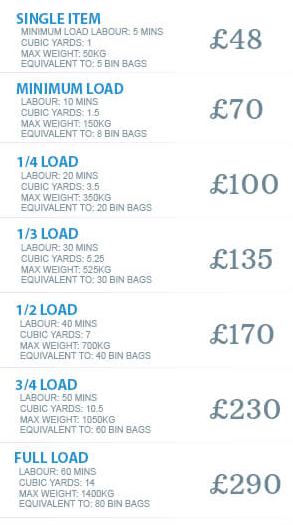
For landlords comparing support options, the pricing and quotes page can be useful when you want to understand how different jobs may be approached. If your priority is sustainability, the site's recycling and sustainability information is also worth a look, especially if you are trying to keep disposal practices tidy and responsible.
And yes, it can be worth having a single contact route ready for urgent moments. When a tenant vanishes and leaves a room full of stuff behind, or when a turnaround is suddenly brought forward, speed becomes the whole game. If that happens, you can use the main contact page to get support quickly.
Law, Compliance, Standards, or Best Practice
Waste handling sits in the wider UK framework around property management, nuisance prevention, and responsible disposal. You do not need to become a legal specialist to stay on the right side of things, but you do need to act carefully.
The safest practical approach is to treat waste as a landlord responsibility until it is clearly assigned elsewhere in writing. If you rely on tenants, contractors, or cleaners, make sure those arrangements are explicit. If you use a third party to remove rubbish, use a properly insured and traceable service. That is not overkill; it is just sensible risk management.
Best practice usually includes the following:
- keeping communal areas free from obstruction
- storing waste in the correct containers
- not leaving bulky items in shared spaces
- separating general waste, recycling, garden waste, and trade waste where relevant
- maintaining a basic record of removals for dispute handling
If a property has a concierge, block manager, or managing agent, align your waste instructions with their rules. It sounds obvious, but mismatched instructions are behind a fair number of arguments. One person says Monday night is fine. Another says absolutely not. Suddenly everybody is annoyed.
For matters involving safety and reassurance, it is also worth reviewing the site's insurance and safety information before you choose a service. Landlords need certainty more than fancy promises.
Options, Methods, or Comparison Table
Landlords in Marylebone generally have a few practical ways to handle waste. The right option depends on the type of rubbish, the speed needed, and how much coordination you want to handle yourself.
| Method | Best for | Pros | Watch-outs |
|---|---|---|---|
| Regular bin arrangements | Everyday household waste | Simple, familiar, low effort | Not suitable for bulky items or sudden clear-outs |
| Skip hire | Renovations or larger projects | Handles sizeable volumes | Needs space, planning, and may not suit tight access streets |
| Ad hoc rubbish collection | Mixed waste and occasional overflow | Flexible and quick | Needs clear scheduling and good communication |
| House or junk clearance | End-of-tenancy, voids, abandoned items | Removes multiple item types in one visit | Best when booked early enough to avoid delays |
If you're unsure whether a skip is actually the best fit, the dedicated skip hire Marylebone page can help you think it through. In narrow streets or properties with awkward access, a more flexible junk removal approach is often more practical. Not always, but often enough.
Case Study or Real-World Example
Here's a common Marylebone scenario. A landlord has a two-bedroom flat near a busy residential road. The tenant gives notice, and the check-out reveals a mix of unwanted furniture, bags of general rubbish, broken kitchen items, and a few storage box leftovers from the loft. Nothing unusual, really. But the handover is only a few days away, and the building has limited storage space.
If the landlord tries to manage everything informally, the waste may sit in the hallway while different people "deal with it tomorrow". That is where things get messy. The better move is to separate the contents into clear categories, arrange prompt removal, and make sure nothing is left in the common areas overnight.
In a case like this, a planned house clearance or a targeted furniture disposal visit can clear the flat faster than piece-by-piece handling. If the property also has dusty old storage items from the loft, adding loft clearance to the plan can save another trip later.
The practical lesson is simple: the cleaner the handover plan, the fewer surprises on the day. That's often the difference between a calm checkout and a rather stressful afternoon with bags in the corridor and everyone pretending not to notice.
Practical Checklist
Use this checklist before, during, or after a tenancy change.
- Confirm where household waste should be stored.
- Check the property's bin days and access arrangements.
- Give tenants short written disposal instructions.
- Clarify who removes bulky items at check-out.
- Arrange a clearance visit for abandoned furniture or mixed junk.
- Keep communal halls, entrances, and pavements clear.
- Photograph the waste area before and after clearance.
- Separate household waste from renovation or trade waste.
- Review recycling and sustainability expectations for the building.
- Have a reliable contact route ready for urgent removals.
For landlords managing estate-wide or block-level issues, the W1U estate clearouts checklist and the Regent's Park boundary rubbish tips pieces are also helpful reading. They speak to the reality of local buildings, not just theory.
Conclusion
For Marylebone landlords, waste is part of property management, not an afterthought. The properties are often high-value, the streets are busy, and expectations are high. That means clear instructions, quick decisions, and sensible disposal habits matter more than ever.
If you keep your waste system simple, document responsibilities, and deal with bulky items before they become a nuisance, you'll avoid most of the common problems. You'll also make life easier for tenants, managing agents, and yourself. Which, honestly, is the whole point.
And if the job is bigger than a bin day or two can handle, there's no shame in bringing in structured help. That is usually the smart move, not the dramatic one.
Get a free quote today and see how much you can save.
When the waste is handled properly, the whole property feels calmer. A little less clutter, a little less noise, a little less friction. Sometimes that's all a good system needs to do.