Waste transfer notes & licences: Marylebone compliance list
Posted on 29/07/2026

Waste transfer notes & licences: Marylebone compliance list
If you arrange rubbish removal, clearances, or skip hire in Marylebone, the paperwork matters as much as the load itself. A missing waste transfer note, an unlicensed carrier, or a vague handover can turn a simple job into a compliance headache. This guide on Waste transfer notes & licences: Marylebone compliance list breaks it down in plain English so you know what to ask for, what to keep, and what to avoid.
Truth be told, most people do not think about waste paperwork until something goes wrong. A landlord gets asked for records. A builder is challenged on where the rubble went. An office manager suddenly needs proof that last month's clearance was handled properly. That's usually when the fine print becomes very real. Let's make it less mysterious, and a lot less stressful.
In this article, you'll get a practical checklist, a simple step-by-step process, common mistakes to avoid, and a realistic look at how compliance works in Marylebone and the wider Westminster context.
Why Waste transfer notes & licences: Marylebone compliance list Matters
Waste compliance is not just a back-office formality. It is the paper trail that shows you handed waste to the right person, under the right terms, and with a sensible record of what was moved. If you are a homeowner clearing a loft, a managing agent dealing with an estate, or a tradesperson removing builders' waste, that trail protects you.
In Marylebone, where access can be tight and jobs often happen in busy streets or managed buildings, paperwork can be overlooked in the rush to get started. But a rushed handover without checking credentials can create real risk. If waste is fly-tipped later, the original producer can still be drawn into the mess if they cannot show they took reasonable steps.
That is why a simple compliance list helps. It turns a vague concern into a practical habit:
- check the waste carrier's licence
- confirm what type of waste is being removed
- keep the waste transfer note
- make sure the description is accurate enough
- retain records for the expected period
For property owners, landlords, and office managers, this is especially relevant if you already juggle multiple moving parts. If you are also looking at wider local property or occupation issues, the articles on Marylebone real estate dealings and Westminster council waste rules for landlords are useful background reading.
Practical takeaway: if you cannot prove who took the waste, what they took, and that they were authorised to take it, you have a weak compliance position. Paperwork is boring, yes. But boring paperwork can save you a world of trouble.
How Waste transfer notes & licences: Marylebone compliance list Works
The basic process is simpler than it sounds. A waste transfer note, often shortened to WTN, is a written record showing waste has been transferred from one person to another. It usually identifies the parties involved, the date, the waste description, and how the waste is classified or handled.
The carrier licence part is about the operator collecting the waste. In plain terms, the person or company taking the waste away should be properly authorised to do so. That is the part many people skip. They assume that because a van arrived and a worker wore a uniform, the company must be legitimate. Not always.
Here is the practical flow most Marylebone users should follow:
- You identify the waste and arrange collection.
- You ask the carrier for licence details before the job begins.
- You agree the waste description, collection point, and disposal route.
- The WTN is created or completed.
- You keep a copy for your records.
- If relevant, you check any skip permit or access requirement before the waste leaves your site.
For skip-based jobs, there is an added layer. Skip placement may involve local permit considerations, especially where roads are narrow or parking is controlled. If you are comparing options, the guide on skip permit rules in City of Westminster is a smart companion read.
A small but important detail: the paperwork should match the reality. A note that simply says "mixed rubbish" is sometimes too vague for comfort. A better description might mention the type of material, approximate quantity, and whether it includes bulky items, builders' waste, green waste, or furniture. Not every job needs an essay. But it should make sense to someone checking it later. That's the test.
Key Benefits and Practical Advantages
Good compliance is not only about avoiding problems. It also improves how the job runs. When the right documents are in place, there is less confusion at the kerb, less back-and-forth after collection, and fewer disputes about what happened to the waste.
- Better legal protection: you have evidence of due diligence if questions arise later.
- Cleaner handovers: tenants, contractors, and managers know who is responsible.
- Fewer disputes: the waste description and licence details make expectations clearer.
- More professional service: serious carriers tend to be more organised about paperwork too.
- Lower fly-tipping risk: a licensed route is a basic safeguard against rogue disposal.
There is also a commercial advantage. When you are arranging a clearance for an office, a flat, or a renovation project, paperwork discipline tends to go hand in hand with pricing clarity and better scheduling. If you want to see how reputable operators usually frame the rest of the service, the pages on pricing and quotes and services overview can help set expectations.
And yes, the paperwork can feel slightly dull. But the upside is very real. A tidy compliance trail means less mental clutter for you later, which is underrated in a busy London week.
Who This Is For and When It Makes Sense
This compliance list is relevant to a surprisingly wide group of people in Marylebone. If you produce, move, or hand over waste, you need to think about it.
Common Marylebone users who should pay attention
- Landlords and managing agents clearing a flat between tenancies
- Homeowners disposing of loft, garage, or furniture waste
- Builders and tradespeople dealing with rubble, timber, and packaging
- Office managers arranging desk, chair, or IT clearance
- Solicitors or executors handling probate clearances
- Facilities teams at managed buildings and estates
It makes the most sense any time a third party is collecting waste from your premises. That might be a same-day rubbish collection, a planned house clearance, or a larger strip-out where documentation has to be neat from day one.
Marylebone properties can be especially awkward in practice. Basement flats, mews access, controlled parking, and shared entrances all create small points where misunderstandings happen. One missing note, one unclear instruction, and the job gets messier than it needed to be.
If you are dealing with urgent removals, the page on same-day clearance for urgent Marylebone evictions is helpful for understanding how speed and compliance need to sit together, not fight each other.
Step-by-Step Guidance
Here is a simple, practical way to handle waste transfer notes and carrier checks without overcomplicating the process.
1) Identify the waste properly
Start with what you actually have. Furniture, mixed household rubbish, green waste, plasterboard, packaging, office electronics, and builders' debris are all different in practice, even if they end up on the same clearance van. The better the description, the cleaner the record.
2) Ask for licence details before collection
Do not wait until the van has arrived and the driver is standing at the door. Ask early. A legitimate operator should be able to provide their carrier details without drama. If there is hesitation, that is your cue to slow down.
3) Confirm who is named on the WTN
The note should identify the transferor and transferee, and it should match the job. If you are a landlord but the tenant ordered the collection, make sure the roles are clear. This is one of those small administrative points that causes surprisingly big confusion later.
4) Check the waste description and date
A WTN should be dated and should give enough detail to show what was transferred. For recurring or regular waste arrangements, a season ticket style arrangement may be possible in some situations, but only if the arrangement genuinely fits the repeated pattern. If you are not sure, treat each collection as its own moment and record it properly.
5) Keep a copy where you will actually find it
Store the note somewhere practical. Email, folder, scanned file, property record, job folder - whatever works for your team. A brilliant record lost in a messy inbox is not a brilliant record at all.
6) Cross-check the end of the journey
Ask where the waste is going. You do not need to micromanage the route, but you should know whether it is going to recycling, reuse, treatment, or disposal. Responsible operators are usually comfortable explaining this in simple terms, especially if sustainability matters to you.
For broader context on disposal routes and environmental choices, the page on recycling and sustainability is worth a look.
Expert Tips for Better Results
Over time, the best compliance habits become routine. A few small adjustments can make a big difference.
- Build a pre-collection checklist: paperwork, access, parking, lift use, and item list all in one place.
- Photograph bulky loads before collection: not for vanity, obviously, but for a simple record of what left the site.
- Separate different waste streams where practical: builders' waste, green waste, and furniture are easier to document when they are not mixed together.
- Use a consistent naming system: especially useful for landlords, block managers, and office teams handling repeat jobs.
- Ask one person to own the record: when several people are involved, paperwork goes missing faster than you'd expect.
If you manage properties, it is also worth connecting waste compliance to your wider tenancy or building records. A clearance after an eviction, for example, can generate questions weeks later. The article on Westminster council waste rules Marylebone landlords must know gives useful local context.
And here is a very human tip: do not assume the person on site knows what you need. Tell them plainly. "Please leave the WTN with me and include the carrier details" is a perfectly normal sentence. Slightly unglamorous, but effective.

Common Mistakes to Avoid
Most compliance errors are not malicious. They are rushed, vague, or based on assumptions. That said, they can still cause serious trouble.
- Using an unlicensed carrier: this is the biggest red flag and the easiest one to miss if nobody asks.
- Failing to keep records: if you cannot prove the transfer, you are exposed.
- Writing "general waste" for everything: too much vagueness weakens the note.
- Mixing different responsibilities: landlord, tenant, builder, and managing agent roles should be clear.
- Ignoring skip permit issues: a skip can be compliant in paperwork terms but still create a placement problem if local rules are ignored.
- Not checking the receiving site: where the waste ends up matters too, not just who collected it.
One real-world mistake we see a lot is this: someone hires a clearance team, assumes all the paperwork is handled, and then throws away the email or printed note because "the job is done." Two months later, an insurer or managing agent asks for proof. Oops. It happens. More than people like to admit.
If you want to reduce the chance of fines or enforcement headaches, the article on avoiding fly-tipping fines in Marylebone is a sensible companion piece.
Tools, Resources and Recommendations
You do not need elaborate software to stay compliant. In many cases, a clear paper or digital system is enough. The real goal is consistency.
Useful things to have
- a simple waste transfer note template
- a folder for licence and job records
- a checklist for each collection
- a contact log for your waste contractor
- a photo record for large or unusual loads
If your waste handling is part of a larger service arrangement, keep your notes aligned with the provider's service terms and insurance position. The pages on insurance and safety and terms and conditions can help you understand what a professional operator usually sets out in writing.
It also helps to match the service to the job. A small furniture disposal may need a different approach from a full office clearance or builders' waste run. If you are unsure which service fits, start with the services overview and work from there.
For residents and businesses who simply want a practical, local disposal route, these pages are often the most relevant starting points:
- rubbish clearance in Marylebone
- waste removal in Marylebone
- office clearance in Marylebone
- house clearance in Marylebone
Law, Compliance, Standards, or Best Practice
This area is regulated in the UK, so cautious wording matters. The exact obligations can depend on the nature of the waste, the parties involved, and how frequently waste is moved. In general, the accepted practice is clear: you should transfer waste only to an authorised carrier, and you should keep a written record of the transfer.
For Marylebone users, a safe approach is to treat paperwork as part of the job, not an optional extra. That means checking the licence, matching the description, and retaining the note. If you are a business or landlord, your internal recordkeeping should be good enough that another person could understand the transaction later without needing a long explanation.
A few best-practice principles are worth keeping in mind:
- Use complete and honest descriptions of the waste.
- Verify the carrier before any collection starts.
- Keep records for the expected retention period used in your organisation or required by the relevant rules.
- Do not rely on verbal reassurance alone.
- Review permit needs if using a skip on or near a public highway.
If your job is tied to a building project, the page on builders' waste clearance in Marylebone may help you think about sequencing and documentation. For domestic bulky items, the guides on bulky waste removal near Baker Street and Regent's Park boundary rubbish tips are also genuinely practical.

Options, Methods, or Comparison Table
Different waste situations call for different methods. The right choice depends on volume, access, urgency, and how much admin you want to handle yourself. Here is a straightforward comparison.
| Method | Best for | Paperwork burden | Key compliance point |
|---|---|---|---|
| Ad hoc collection | Small, one-off clearances | Low to medium | Still confirm the carrier and keep the WTN |
| Scheduled collections | Regular business or estate waste | Medium | Use consistent records and repeat checks |
| Skip hire | Projects with ongoing waste generation | Medium | Check permit and placement rules carefully |
| Full clearance service | House, office, loft, or garage clearances | Low to medium | Ensure the note matches the actual load |
There is no single "best" option for everyone. A flat in Marylebone with limited access might suit a man-and-van clearance. A renovation with heavy rubble might suit a different setup altogether. The trick is choosing the route that makes compliance easy rather than awkward.
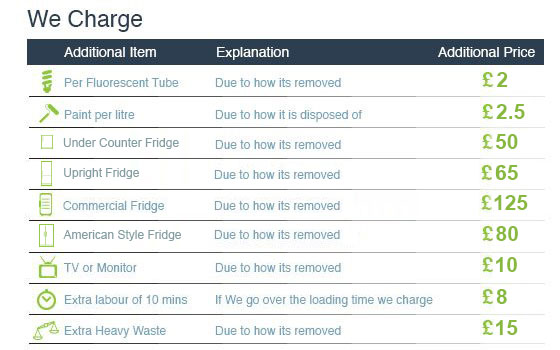
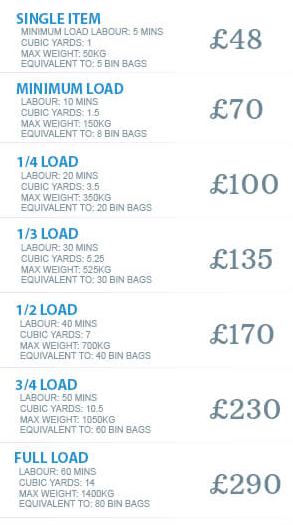
If cost transparency matters alongside paperwork, the article on hidden fees in Marylebone rubbish removal is worth reading before you book anything.
Case Study or Real-World Example
Imagine a Marylebone flat on a side street off Baker Street. The landlord has just had a tenancy end and needs a quick clear-out before decorating. There are a few wardrobes, broken chairs, bags of mixed household waste, and some leftover shelving.
The first instinct might be to book the quickest collection and get on with it. Fair enough. But the better approach is to do three things first: ask for the carrier licence details, make sure the items are described properly on the waste transfer note, and keep a copy of the paperwork with the property file.
That same landlord also has a separate issue: the building manager wants proof that the waste did not go out with an unlicensed operator. Because the WTN and licence details were retained, the matter is resolved quickly. No backtracking, no panic, no awkward email chain trying to reconstruct what happened weeks later.
Now compare that with the messy version. No note, no licence check, and the contractor only accepted cash. If a question comes up later, the landlord has nothing to show. That is when compliance stops being theoretical. And it becomes a very unfun afternoon.
Practical Checklist
Use this checklist before, during, and after any collection in Marylebone.
- Confirm the type and approximate amount of waste.
- Ask for the carrier's licence details before booking.
- Check whether a skip permit is needed for the location.
- Make sure the waste transfer note is completed.
- Verify the waste description is accurate and useful.
- Keep the date, parties, and collection details on record.
- Store a copy in a place you will actually remember.
- For repeat collections, keep records organised by site or property.
- Ask where the waste is going if the route matters to your organisation.
- Review any service terms, insurance notes, and payment details if the job is larger or time-sensitive.
If you want a broader service conversation after checking the paperwork side, you can review about us or simply make an enquiry through the site's contact page. The important thing is not to leave compliance until after the van has gone.
Conclusion
Waste paperwork is not the glamorous part of waste removal. Not even close. But in Marylebone, where access is tight, expectations are high, and many jobs involve shared buildings or sensitive timelines, a clear compliance routine is worth its weight in peace of mind.
The core idea is simple: use a licensed carrier, complete a proper waste transfer note, keep your records, and make sure the paperwork matches the real job. Do that consistently and you reduce risk, support better service, and avoid avoidable headaches later. That's the whole game, really.
Whether you are managing a one-off clearance or planning a repeat service for a property or office, the safest route is usually the neatest one. A bit of order at the start saves a lot of noise later. And in a busy part of London, that counts for quite a lot.
Get a free quote today and see how much you can save.


 Tipper Van - Rubbish Removal and Rubbish Disposal Prices in Marylebone, W1
 Luton Van - Rubbish Removal and Rubbish Disposal Prices in Marylebone, W1