W1U estate clear-outs: Marylebone block-by-block checklist
Posted on 06/05/2026
If you are planning a clearance in W1U, the first surprise is usually not the amount of stuff. It is the logistics. Narrow stairwells, shared entrances, older mansion blocks, parking pressure, lift bookings, neighbours who are working from home, and that one awkward sofa that suddenly feels twice its normal size. A proper W1U estate clear-outs: Marylebone block-by-block checklist helps turn a messy, half-done job into something calm, organised, and actually manageable.
This guide is written for anyone dealing with a flat clearance, probate clearance, tenant move-out, refurbishment prep, or a full estate clearance in Marylebone. It explains how block-by-block planning works, what to check before removal day, how to avoid the usual pitfalls, and which services can help when the job gets bigger than expected. Truth be told, a bit of structure saves a lot of shouting later.
For broader support, you may also want to review the full range of Marylebone clearance services, especially if your clear-out spans more than one room or includes awkward items like furniture, white goods, or mixed household waste.

Why W1U estate clear-outs: Marylebone block-by-block checklist Matters
W1U is not a generic postcode. It is a dense, high-value part of Marylebone where access can change from one building to the next. One block may have a porter, lift access, and decent loading conditions. The next may involve tight stairs, a shared courtyard, controlled entry, and no easy place to pause a van. That is exactly why a block-by-block checklist matters.
Instead of treating the whole estate as one job, you break it down into clear zones: entrance, lift, stairwell, corridors, flat interiors, storage areas, basements, lofts, bin stores, and external collection points. That approach reduces damage risk, keeps neighbours informed, and helps the clearance team work in the right order. It also makes pricing and timing more realistic, which everyone appreciates.
In Marylebone, the character of the building matters almost as much as the contents. A post-war block with service lifts will behave very differently from a period conversion with narrow landings and low railings. If you have ever tried to rotate a wardrobe around a tight corner at 8:30 in the morning, you already know the mood of the day can change quickly. Better to plan it properly.
For people moving out, renovating, or managing an inherited property, this also helps protect value. The cleaner the route, the fewer scuffs, delays, and disputes. If the property is being prepared for sale or letting, you may also find our local article on Marylebone property dealings and practical local considerations useful as background reading.
How W1U estate clear-outs: Marylebone block-by-block checklist Works
The simplest way to think about a block-by-block clear-out is this: you map the building before you start moving anything. That means identifying every access point, every choke point, and every item category before the first bag leaves the flat.
A good clearance plan usually follows four stages:
- Survey the block - check the route, parking, entry codes, lift availability, and any restrictions on working hours.
- Sort by area - separate rooms, cupboards, storage, and shared spaces so nothing gets missed.
- Sort by waste type - furniture, general rubbish, recyclables, electrical items, and anything requiring special handling.
- Clear in sequence - usually from the hardest-to-reach items first, then the easiest, so the route stays open and tidy.
In practical terms, this means you do not begin with the obvious stuff. You begin with the awkward stuff. Bulky chairs, mattress removals, old wardrobes, boxed archive material, and loft items can create bottlenecks later if left until the end. Once the corridor fills up, everything takes longer. Simple as that.
A local team experienced in house clearance in Marylebone can usually spot those building-specific pinch points quickly. They know that one building's "service entrance" is another building's tiny side gate with a very unforgiving turn. That local awareness is worth a lot.
Key Benefits and Practical Advantages
A structured estate clear-out is not just tidier. It is safer, faster, and less likely to lead to extra costs. The benefits are often very visible on the day itself.
- Less disruption to neighbours - shorter pauses in hallways and fewer repeated trips through shared areas.
- Better protection for the property - lower risk of bumps, chipped paint, and scraped walls.
- More accurate quotes - the team can estimate labour, access, and vehicle requirements more reliably.
- Faster completion - because the route is clear and the load order is planned.
- Cleaner recycling outcomes - items can be separated properly instead of being treated as one mixed pile.
- Less stress for the organiser - and that matters more than people admit, especially when a property is emotional to deal with.
There is also a practical money angle. If you are paying for removal by labour time, access complexity can affect the final bill. A building with lift access, a clear parking plan, and pre-sorted items is usually much easier to handle than a top-floor flat with no lift and three decades of mixed storage. No surprises there, really.
For larger or mixed loads, you may want to compare clearance with local rubbish clearance options or even fast junk removal support in Marylebone if the priority is getting the property empty quickly.
Who This Is For and When It Makes Sense
This checklist is useful for a wide range of people, not just landlords or executors. In fact, some of the most common jobs in W1U are surprisingly ordinary: a tenant leaving a furnished flat, a family helping an older relative downsize, or an owner clearing storage before refurbishment. The emotional tone may differ, but the logistics are very similar.
You will probably benefit from this approach if you are:
- clearing a probate or inherited property
- moving out of a long-occupied flat with accumulated belongings
- preparing a property for sale or rent
- managing a block-wide landlord refresh
- dealing with a post-renovation clean-up
- emptying basements, lofts, garages, or storage cupboards
It also makes sense if you need to keep the building presentable. Marylebone can be quiet and refined one moment, and then suddenly full of delivery vans, suitcases, and bin bags the next. If you are organising a clearance near residential streets, it helps to be a good neighbour. That part counts.
If you are a resident wanting a broader sense of the area and daily life nearby, our guide on living in Marylebone offers a useful local perspective.
Step-by-Step Guidance
Here is a practical block-by-block method you can adapt to nearly any W1U estate clearance. It is deliberately detailed because the detail is where things usually go wrong.
1. Walk the building before you touch the contents
Start at street level. Note the nearest loading point, any resident-only access rules, where the lift is, and whether the route has narrow turns or steps. Check if the front door needs to be held open or signed in. It sounds basic, but these little things are the ones that slow a job down.
2. Map each clearance zone
Create a simple room list. For example: bedroom 1, bedroom 2, kitchen, living room, hallway, utility cupboard, loft, basement store, bin area. If the property spans multiple floors, write the floor number beside each space. This helps everyone work in the right order without guessing.
3. Separate keep, donate, recycle, and remove
This one makes the job easier immediately. Put items into clear categories and mark any pieces that need special care, such as paperwork, sentimental items, or valuables. A labelled box is worth ten unlabelled piles. Maybe more.
4. Remove the biggest obstacles first
In most properties, bulky furniture should leave before smaller loose items. That way, corridors stay open and the team can move safely. If you need a dedicated furniture uplift, see furniture disposal in Marylebone for a service built around larger household pieces.
5. Deal with special items separately
Electricals, fridges, paints, batteries, and anything fragile should be identified early. Some items need extra handling or cannot be mixed with general waste. If the clearance includes garden debris or outside storage, a separate garden waste removal approach may be the cleaner option.
6. Keep the route clear as you go
Do not let bags, boxes, and loose pieces gather in the hallway. That is how small jobs become awkward ones. The best clearances feel almost boring in the middle because the route stays clear. That is a good sign.
7. Finish with a final sweep
Before the team leaves, check cupboards, behind doors, under beds, and inside loft hatches. People are always surprised by one last umbrella stand, cable box, or forgotten suitcase. It happens every time, nearly.
Expert Tips for Better Results
These are the details that experienced clearance teams tend to care about, even when clients do not think of them first.
- Book the access plan before the vehicle - if you do not know where the van can stop, the rest is guesswork.
- Label the "do not remove" items clearly - especially in shared flats or estates where several people may be packing at once.
- Photograph tricky areas - stairwells, basements, parking points, and lift lobbies can be useful to share in advance.
- Keep documents, keys, and valuables with one named person - do not let them drift into the general clear-out pile.
- Plan around building noise and neighbour routines - early morning can work well, but not always if lifts are shared or the concierge has set hours.
- Ask about recycling separation - it can improve the environmental outcome and make the load tidier overall.
If sustainability matters to you, it is worth reviewing a provider's recycling and sustainability approach before booking. Not every load can be sorted the same way, and a decent operator should be clear about what happens to different material types.
A small tip that saves real time: stage all removal items in one room if the property allows it. Even if the room looks like a temporary obstacle course for an hour, it often reduces back-and-forth. One room. One route. Less chaos. Simple, but effective.

Common Mistakes to Avoid
Most estate clear-out problems come from rushing the first hour. That first hour sets the tone for the rest of the day.
- Not checking access restrictions - some blocks have resident rules, lift bookings, or parking limitations that matter more than you expect.
- Mixing every item together - it becomes harder to separate keeps, waste, recycling, and donations later.
- Underestimating bulky items - one sofa is never just one sofa when it has to come down three flights of stairs.
- Leaving paperwork to the end - documents, tenancy records, and keys can disappear into the general mess if you are not careful.
- Ignoring shared spaces - hallways, lobbies, and stairwells need to stay usable throughout the job.
- Forgetting to confirm who is responsible for what - particularly in probate or landlord situations where several people are involved.
Another common one: people assume a skip is always the easiest answer. Sometimes it is. Sometimes it is not. In a Marylebone block, a skip can be inconvenient, difficult to permit, or simply less efficient than direct collection. If you are weighing it up, see skip hire in Marylebone alongside collection-based options before deciding.
And yes, people do sometimes forget the loft. More often than they admit.
Tools, Resources and Recommendations
You do not need fancy equipment for a good clearance, but the right basics make everything smoother. The best tools are often the simplest ones.
| Tool / Resource | Why it helps | Best used for |
|---|---|---|
| Room labels or sticky notes | Keep items grouped by location and destination | Multi-room and multi-floor clear-outs |
| Heavy-duty sacks and boxes | Reduces breakage and keeps loads compact | Paper, textiles, mixed lightweight items |
| Protective gloves and basic dust masks | Useful in dusty lofts, basements, and storage rooms | Older properties and long-neglected spaces |
| Phone camera | Creates a simple record of condition and access points | Before-and-after checks and planning |
| Professional clearance support | Reduces lifting, route issues, and disposal uncertainty | Bulky, urgent, or complex clear-outs |
For many W1U jobs, the most useful service is a flexible one that can handle mixed waste, furniture, and household contents in one visit. That is where a combined waste removal service in Marylebone can make life easier. If the clearance is mainly household goods, the broader rubbish collection option may be enough. The right choice depends on volume, access, and how sorted the items already are.
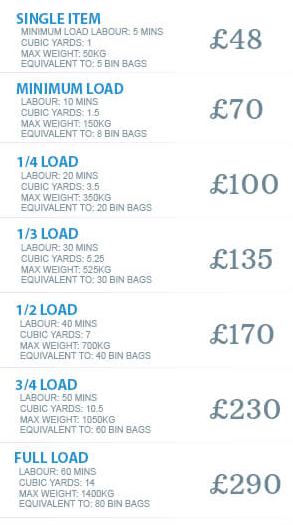
For pricing questions, the most useful starting point is usually a clear written breakdown. You can request that via the site's pricing and quotes page so you are not left guessing. Nobody enjoys mystery costs, let's face it.
Law, Compliance, Standards, or Best Practice
Estate clear-outs in London should be handled carefully, especially where waste disposal, access, and safety are concerned. While this guide is not legal advice, there are some sensible best-practice points that apply in most situations.
- Duty of care - waste should be handled and transferred responsibly, with a reputable traceable process where appropriate.
- Shared building rules - blocks, landlords, managing agents, or concierge teams may set their own access and loading rules.
- Safety on site - clear stairwells, safe lifting, and route protection are basic expectations, not extras.
- Data and privacy - paperwork, post, bank letters, and personal records should be handled carefully before disposal.
- Insurance and public protection - check that the provider's approach to cover and on-site safety is transparent.
If you are comparing providers, it is sensible to read their insurance and safety information and, where relevant, their terms and conditions. That helps clarify what is included, what is not, and how issues are handled if access is tighter than expected.
For businesses or landlords clearing an office-like space in the area, office clearance in Marylebone may be the better fit. Commercial spaces have their own rhythm, and they often need cleaner scheduling around working hours.
If you are ever unsure about how a provider handles personal data or online interactions, it is also reasonable to check pages such as privacy policy, cookie policy, and the accessibility statement. Not glamorous reading, granted, but useful all the same.
Options, Methods, or Comparison Table
There is no single right way to do a W1U estate clearance. The best method depends on speed, access, volume, and how much sorting you want to do yourself. Here is a simple comparison.
| Method | Best for | Pros | Trade-offs |
|---|---|---|---|
| Block-by-block managed clearance | Multi-room flats, estates, probate, mixed contents | Organised, efficient, easier to control access | Needs planning and a clear checklist |
| Direct rubbish collection | Smaller volumes and faster single-visit jobs | Simple and often convenient | Less suited to very bulky or spread-out loads |
| Skip hire | Longer projects or ongoing refurbishment debris | Useful if work will happen over several days | Can be awkward in busy or access-limited streets |
| Specialist furniture or loft clearance | Heavy items, storage-heavy flats, attic spaces | Very targeted and efficient for one problem area | May need more than one service if the property is cluttered throughout |
If the property includes a loft, basement, or hidden storage area, a dedicated loft clearance service or garage clearance can be more efficient than treating everything as general rubbish. That distinction matters more than most people expect.
Case Study or Real-World Example
Imagine a two-bedroom flat in a Marylebone mansion block near W1U. The property has a narrow entrance, a service lift with limited availability, and a small storage cupboard on the landing. The occupants have already moved out, but the flat still contains a sofa, beds, boxes of books, old small appliances, and several bags from the cupboard that nobody has touched in years.
A block-by-block clear-out would begin with building access: confirm lift times, check where the van can stop, and decide who will manage entry. Then the team would move the bulky furniture first, clearing the main route. Next come the boxed items, followed by the cupboard and any remaining loose waste. The final sweep would check under beds, behind doors, and in the storage cupboard on the landing. That cupboard, by the way, is where the forgotten items almost always are.
The main benefit is not just speed. It is control. The route stays open, the flat stays safer, and there is less chance of wasting time by moving smaller items before the large ones. In a real-world Marylebone setting, that kind of order can make the difference between a smooth half-day job and a frustrating all-day one.
If the property is being prepared for sale, you might also find the local context in Marylebone property investment tips helpful, because clear presentation matters more than people sometimes admit.
Practical Checklist
Use this checklist before the clearance team arrives. Print it, save it, scribble on it, whatever works.
- Confirm the full address, floor level, and entry instructions.
- Check lift access, stair routes, and any restricted hours.
- Identify parking or loading space near the building.
- Make a room-by-room list of what stays and what goes.
- Set aside valuables, documents, keys, and sentimental items.
- Label reusable, recyclable, and waste items separately if possible.
- Measure oversized items that may need extra handling.
- Photograph any tight corners, basements, or awkward access points.
- Check whether any items need specialist removal or disposal.
- Decide who signs off the clearance once complete.
- Book the team with enough time for a final sweep.
- Keep bins, hallways, and shared spaces clear during the job.
Expert summary: A strong estate clear-out in W1U is really three jobs at once: building logistics, item sorting, and respectful handling of the space. If those three stay in sync, the whole project gets easier. If one of them drifts, the day starts to wobble. That is the honest version.
Conclusion
A Marylebone block-by-block clearance is never just about removing belongings. It is about handling access, protecting the property, respecting neighbours, and keeping the process under control from the first doorway to the final bin bag. A proper checklist gives you that control. It helps you see the job clearly, plan for the awkward bits, and avoid the tired little mistakes that turn a simple clear-out into a long afternoon.
Whether you are dealing with a single flat, a larger estate, or a property with several storage areas, the right approach is the same: map the block, sort the contents, choose the right clearance method, and keep the route clear. Small things, but they add up fast.
If you want a straightforward next step, start with a quote and a quick discussion of access. It is often the fastest way to turn uncertainty into a proper plan.
Get a free quote today and see how much you can save.
If you are ready to move forward, contact the Marylebone team here for help with a local clearance plan that fits your building, your timing, and your pace.