Typical costs for Marylebone house clearances explained
Posted on 21/10/2026
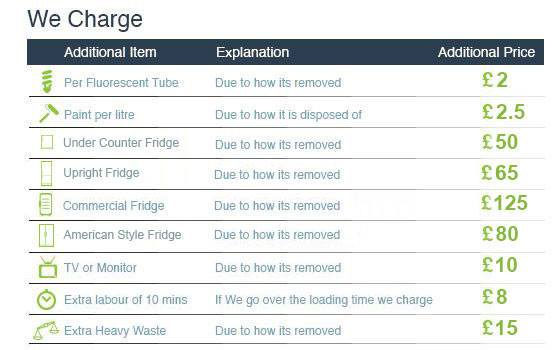
If you are trying to get your head around typical costs for Marylebone house clearances explained, you are not alone. Most people want a straight answer before they book: what does a clearance usually cost, what pushes the price up, and how do you avoid paying more than you should? In Marylebone, where homes range from compact flats to larger period properties, the final figure can shift quite a bit depending on access, volume, labour, and what needs to be removed.
This guide breaks everything down in plain English. You will see what usually affects pricing, how the process works, when a house clearance makes sense, and which mistakes can quietly inflate the bill. Along the way, we will also touch on practical local considerations, from disposal methods to compliance and recycling. No fluff. Just the useful stuff you actually need.
Why Typical costs for Marylebone house clearances explained Matters
House clearance sounds simple until you are standing in a hallway full of furniture, bags, old electronics, broken lamps, and a few items nobody wants to claim. Then the money question becomes very real. In Marylebone, that question matters even more because access can be tight, parking may be awkward, and many properties sit in buildings where carrying items out takes longer than people expect.
Understanding the cost structure helps you make better decisions. You can compare quotes fairly, decide whether a full clearance is actually needed, and avoid the classic trap of choosing the cheapest number on paper only to discover add-ons later. To be fair, that happens more often than people think.
It also matters from a planning angle. If you are dealing with a probate property, a rental turnover, a downsizing move, or an urgent end-of-tenancy clean-out, timing and certainty are just as important as price. A good quote should reflect the actual work, not a vague guess. If you want a wider view of the area and its property landscape, the article on Marylebone's neighbourhood character is a useful companion read.
And because money is involved, transparency matters. That is exactly why many readers also check the site's pricing and quotes information before going any further.
How Typical costs for Marylebone house clearances explained Works
At a basic level, house clearance pricing is usually built around four things: volume, labour, disposal type, and access. Some firms use load-based pricing, others prefer a room-by-room or whole-property estimate, and a few will combine methods if the job is unusual. There is no magic formula, really. The quote reflects how much time, lifting, transport, sorting, and disposal the job will take.
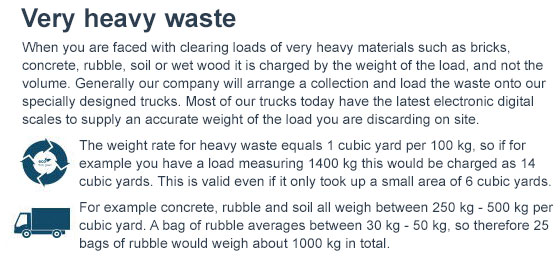
Volume is the most obvious factor. A few sofas and a wardrobe are one thing. A full three-bedroom property packed with mixed furniture, bric-a-brac, and black bags is another. Labour climbs when items need to be carried down stairs, moved through narrow hallways, or separated carefully because they cannot simply be loaded and tipped together.
Then there is disposal. Some items are straightforward mixed waste. Others may require special handling because of reuse potential, electrical components, or treatment rules. This is one reason clearances can vary so much even when properties look similar from the outside. Two flats. Same postcode. Very different workload.
Access and timing also have a very real effect. Basement access, top-floor walk-ups, limited parking, or a short time window can all add pressure to the job. In Marylebone, where streets can be busy and property layouts are rarely uniform, those practicalities matter more than people expect.
For a broader overview of what a provider may cover beyond one-off clearance jobs, take a look at the services overview. It helps place house clearance within the wider range of waste and removal work.
Key Benefits and Practical Advantages
The biggest benefit of understanding clearance pricing is control. You can budget with more confidence, ask better questions, and avoid being rushed into a decision. But there are some less obvious advantages too.
- Better budget planning: You can prepare for a realistic figure instead of guessing.
- Fewer surprises: You are more likely to spot hidden extras before the job starts.
- Cleaner comparisons: You can compare like-for-like quotes rather than just headline prices.
- Faster decision-making: Once you know the main cost drivers, booking becomes simpler.
- Less stress during a difficult time: Especially useful in probate, downsizing, or landlord changeovers.
There is also a peace-of-mind factor. A proper house clearance clears space quickly, which can be surprisingly emotional in a property with years of accumulated belongings. The room feels different once the clutter is gone. Quieter, even. You notice the light again.
For residents who prefer a more selective approach, it can help to compare house clearance with rubbish clearance in Marylebone or furniture disposal, especially if you only have bulky items rather than a whole property to empty.
Who This Is For and When It Makes Sense
House clearance is not just for dramatic situations. It is used in everyday cases too. The most common reasons include moving, selling a property, managing an inherited home, clearing after tenants leave, or simply reclaiming space that has got out of hand over the years. Let's face it, we all know a cupboard that has become a time capsule.
This topic makes sense for:
- Homeowners preparing to sell or renovate
- Landlords managing end-of-tenancy or abandonment situations
- Probate and estate administrators sorting belongings respectfully and efficiently
- Downsizers who need help clearing furniture and household goods
- Busy families with no time to do multiple tip runs
- People with heavy or awkward items that are difficult to move safely
It is also useful where property access makes self-clearance awkward. In Marylebone, that often means upper floors, shared entrances, or limited loading space. If you are dealing with a property transaction, the local context around Marylebone property dealings and buying property in Marylebone gives a good sense of why timing can become tight very quickly.
If the job is more about urgent turnover or a short notice vacancy, the guide on same-day clearance for urgent Marylebone evictions may also be relevant. Different situation, same need: move fast without creating a mess of the process.
Step-by-Step Guidance
Here is a practical way to approach a house clearance quote without getting tangled up in jargon.
- List what needs removing. Walk through the property and note furniture, bags, appliances, loose items, garden waste, and anything unusually heavy.
- Separate what you want to keep. This sounds obvious, but it is the step people rush most often. Put keepers in one area before any clearance starts.
- Check access carefully. Think stairs, lift access, loading distance, parking, and any building restrictions.
- Ask how the quote is calculated. Volume-based? Labour-based? Fixed price? The method should be clear.
- Confirm what is included. Disposal, labour, loading, VAT if applicable, and any extra handling should be clear before booking.
- Ask about recycling and reuse. A responsible provider should explain what happens to reusable or recyclable items.
- Book a slot that matches the job. If the property is busy, allow enough time. Rushing an honest quote is how mistakes happen.
- Get confirmation in writing. Even a short email summary is better than relying on memory.
That process sounds dry, but it saves money. A lot of the frustration in clearance work comes from poor preparation rather than the job itself.
For larger or more structured clear-outs, especially where a property contains mixed waste and old fixtures, some readers also compare options with loft clearance or garage clearance depending on where most of the volume sits.
Expert Tips for Better Results
There are a few simple habits that can make a house clearance smoother and, often, cheaper.
- Photograph the rooms before booking. Clear pictures help reduce guesswork and avoid vague estimates.
- Be honest about volume. Understating the job usually backfires. The quote may be lower, but the final job may not be.
- Group similar items together. Furniture, small items, and electricals are easier to assess when grouped neatly.
- Ask whether sorting is needed on site. If items need separating for reuse or disposal streams, that affects labour time.
- Check building access rules early. Some blocks in central London are less forgiving than they look from street level.
A small but important tip: if you have both clearance waste and ordinary rubbish, ask whether it is better to treat the job as a full clearance or a smaller removal run. Sometimes a targeted approach is more efficient. Other times, combining everything into one visit is cheaper overall. It depends on the load, not the label.
For household items that are still in decent condition, it is worth asking how the provider handles reusable goods. The company's recycling and sustainability information is a sensible place to check what responsible disposal looks like in practice.

Common Mistakes to Avoid
The most expensive mistake is assuming all clearance quotes mean the same thing. They do not. One provider may include labour and disposal; another may quote only for loading. That tiny difference can turn into a very real bill later.
Other common mistakes include:
- Not checking access in advance, especially in upper-floor properties
- Leaving unwanted items mixed with valuables because the sorting plan was rushed
- Ignoring hidden extras such as heavy-lift charges or extra waiting time
- Forgetting about restricted items that need separate handling
- Choosing purely on price instead of on clarity, reliability, and compliance
Another one that catches people out: not asking about parking or loading arrangements. In Marylebone, that is not a trivial detail. It can affect the job more than the actual room size, which feels a bit unfair, but there it is.
If flytipping risk is part of your worry, especially when you are tempted to leave items temporarily outside, the article on avoiding flytipping fines in Marylebone is worth a look.
Tools, Resources and Recommendations
You do not need a toolbox of specialist software to plan a house clearance, but a few simple tools help more than people expect.
- Room-by-room notes: A simple notepad or spreadsheet works fine.
- Phone camera: Useful for sharing accurate visuals when requesting a quote.
- Measuring tape: Helps when furniture is unusually large or access is tight.
- Bag count and item list: Gives a more precise idea of volume.
- Calendar reminders: Helpful if you need to coordinate estate agents, tenants, or family members.
In terms of useful reading on the same site, these pages can help you choose the right type of service for the task at hand: house clearance in Marylebone, waste removal, junk removal, and rubbish collection. Each has its own fit depending on scale and urgency.
If you are dealing with a business property or mixed-use premises, the office clearance page may also be useful, because the commercial clear-out process can look similar on the surface but differ in practical details.
Law, Compliance, Standards, or Best Practice
Any clearance job should be handled with proper care around waste handling, transport, and disposal. You do not need to become an expert in waste regulation to book a clearance, but you should expect the provider to operate responsibly and explain what happens to the material they remove.
In practical terms, good best practice usually includes:
- Using a registered waste carrier where appropriate
- Providing a waste transfer note when required
- Separating reusable, recyclable, and general waste where practical
- Handling restricted items properly rather than mixing them with ordinary waste
- Following local collection and parking rules to avoid issues during loading
For landlords and property managers, compliance becomes more than a nice-to-have. The local guide on Westminster Council waste rules for Marylebone landlords gives useful context for managing property waste correctly. And if you are comparing skip hire against a clearance crew, the article on permit rules for skip hire in Marylebone is a smart read before you choose.
One more thing. If a provider cannot clearly explain how waste is transferred or documented, that is a red flag. Simple as that.
Options, Methods, or Comparison Table
People often compare house clearance with skip hire or smaller rubbish removal. Each has a place, but the best choice depends on the property, the volume, and how hands-on you want the process to be.
| Option | Best for | Main advantages | Typical drawbacks |
|---|---|---|---|
| House clearance | Whole homes, probate, end-of-tenancy, downsizing | Most convenient, labour included, fast turnaround | Can cost more than self-loading options |
| Rubbish removal | Mixed waste, smaller loads, one-off clear-outs | Flexible and usually quicker for smaller jobs | May not suit large furniture-heavy properties |
| Skip hire | DIY projects, ongoing work, site waste | Good if you can load waste yourself | Permits, access, and manual loading can be awkward |
| Furniture disposal | Bulky items only | Simple for sofas, wardrobes, beds, and tables | Not ideal if the home needs full emptying |
For many Marylebone properties, the deciding factor is not just price. It is convenience. If the home is full and access is fiddly, the extra efficiency of a clearance team often makes sense. If you only have a few items, a smaller service may be the better fit. Practical, not glamorous, but true.
Case Study or Real-World Example
Here is a realistic example from the kind of job people often face in central London. A two-bedroom flat in Marylebone needs clearing after a long-term tenant moves out. The flat contains a sofa, dining table, mattress, wardrobe, shelves, several bags of mixed household items, and a few broken small appliances. Access is via a shared entrance and one short flight of stairs. Parking is tight, and the landlord wants the property ready for viewings quickly.
At first glance, this sounds like a medium job. Then the details come out. One item is heavier than expected. Several smaller items are loose and need bagging. A few things are reusable, but most are general waste. The timing matters because decorators are booked later in the week. Suddenly the quote is not just about the volume in the room; it is about the logistics of clearing it without slowing the rest of the schedule.
In a case like this, a proper clearance team will usually assess the access, estimate the load, and explain what is included before work begins. That prevents awkward moments halfway through, such as realising the mattress needs extra handling or the loading bay is busier than anyone anticipated. You can almost hear the sigh of relief when a job is agreed cleanly upfront.
If the flat had only contained a sofa and a couple of chairs, then furniture disposal in Marylebone might have been enough. But once a property becomes a full mixed-content clear-out, house clearance is usually the more sensible route.
Practical Checklist
Use this before you request quotes or book a clearance visit.
- Identify exactly what needs removing
- Separate anything you want to keep or donate
- Take photos of each room and any awkward items
- Check access, stairs, lifts, and parking conditions
- Ask how pricing is calculated
- Confirm whether labour, loading, and disposal are included
- Ask about recycling or reuse of suitable items
- Check whether special items need separate handling
- Get the quote summary in writing
- Choose a time slot that gives the crew enough room to work
It sounds almost too simple, but this checklist avoids most of the nasty surprises. And yes, the nasty surprises are usually the expensive ones.
Conclusion
The real answer to typical clearance costs in Marylebone is that they depend on the job, but not in a mysterious way. Once you understand the main drivers - volume, labour, disposal, and access - the pricing starts to make sense. That is the heart of typical costs for Marylebone house clearances explained: not a fixed number, but a clear framework for judging value.
If you plan well, compare quotes properly, and ask the right questions, you can usually avoid the most common pitfalls. More importantly, you will know whether you need a full house clearance, a targeted removal, or a smaller furniture or rubbish service. That clarity alone saves stress, time, and often money too.
Get a free quote today and see how much you can save.
If you are ready to talk through your own property, the best next step is to get in touch and ask for a clear, itemised quote. A quick conversation can save a lot of back-and-forth later, and in a busy area like Marylebone, that is worth quite a bit.
And honestly, once the place is clear, the whole property feels lighter. That part never gets old.



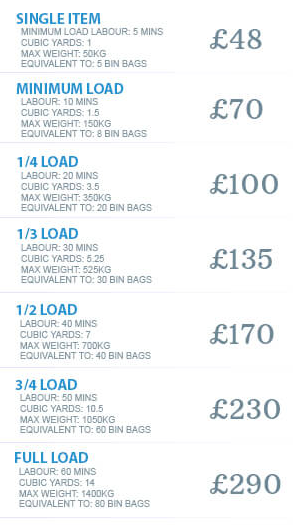
 Tipper Van - Rubbish Removal and Rubbish Disposal Prices in Marylebone, W1
 Luton Van - Rubbish Removal and Rubbish Disposal Prices in Marylebone, W1