Same-day clearance for urgent Marylebone evictions
Posted on 14/05/2026
When an eviction moves faster than expected, the room for delay disappears just as quickly. Furniture is left behind, paperwork is still in hand, and the property needs to be handed back in a state that won't create extra stress for the landlord, agent, or outgoing tenant. That is exactly where same-day clearance for urgent Marylebone evictions comes in: a practical, local response designed to remove remaining items swiftly, carefully, and with as little disruption as possible.
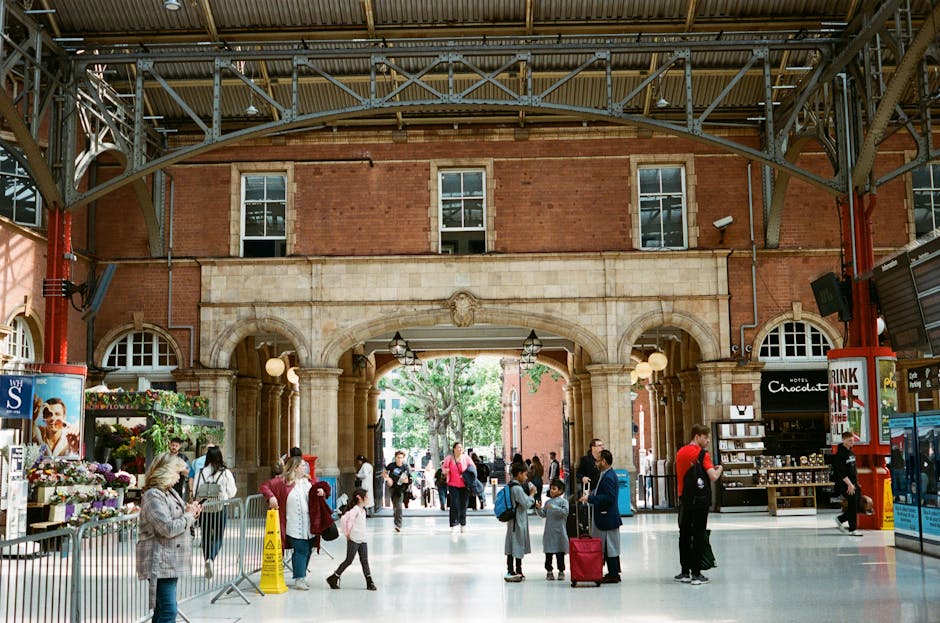
In Marylebone, timing matters. Streets can be busy, access can be awkward, and many buildings come with narrow stairwells, managed entrances, or tight loading windows. So the job is never just "take the rubbish away." It's about moving fast without cutting corners, protecting the property, and making sure the clearance is handled in a way that feels organised rather than chaotic. Truth be told, that calm approach is often what people need most on a difficult day.
This guide explains how urgent eviction clearance works, who it helps, what to expect, and how to avoid the mistakes that make a stressful situation worse. You'll also find practical checklists, a comparison table, and sensible next steps if you need help now.

Why Same-day clearance for urgent Marylebone evictions Matters
Evictions are rarely tidy. They often happen at the exact moment when time, patience, and access are all under pressure. Same-day clearance matters because it helps restore order fast. A property that is full of leftover belongings, broken furniture, food waste, or mixed junk can delay handover, affect safety, and trigger more back-and-forth than anyone wants.
In a high-value, tightly managed area like Marylebone, even a short delay can become expensive. Estate agents may need the flat ready for viewings. Landlords may be working to repair, deep clean, or re-let the property. And if there are items blocking hallways or storage spaces, the practical problem starts looking bigger by the hour. A swift clearance removes friction. Simple as that.
There's also the human side. Eviction situations can be emotionally charged, and nobody benefits from a drawn-out handover full of unanswered questions. A proper same-day team can reduce the noise, keep the job focused, and get the property moving towards its next stage. For more local context on the area and its property landscape, you may find this Marylebone neighbourhood guide and this overview of Marylebone real estate dealings useful.
Key takeaway: urgent eviction clearance is not just about speed. It is about getting the property back into a usable, safe, presentable condition with minimal hassle and very little room for error.
How Same-day clearance for urgent Marylebone evictions Works
Although every job is different, the process is usually straightforward. The aim is to confirm the scale of the clearance quickly, identify access issues, and send the right team with the right vehicle so the work can be completed in one visit where possible.
Typical same-day flow
- Initial enquiry: You explain what needs clearing, where the property is, and how urgent the job is.
- Fast assessment: The team asks about access, item types, floor level, parking, and any safety concerns.
- Clear pricing discussion: The scope is discussed so there are no nasty surprises later.
- Arrival window: A collection time is agreed, often with short notice if the schedule allows.
- On-site clearance: Items are removed efficiently, with care taken around walls, staircases, and fixtures.
- Sorting and disposal: Reusable, recyclable, and non-recyclable materials are separated where appropriate.
- Final sweep: A basic tidy-up is usually carried out so the property is left ready for the next step.
In practice, the job can move very quickly if access is clear and the property is already partly emptied. If not, the team may need a little more time to work around locked rooms, heavy wardrobes, mattresses, or mixed waste. That is normal. It's not a failure; it's just the reality of eviction clearance.
If you are still planning the wider clearance process, it can help to look at the broader services overview so you can see how eviction clearance fits alongside related work such as house clearance in Marylebone and rubbish clearance in Marylebone.
Key Benefits and Practical Advantages
The obvious benefit is speed, but there's more to it than that. Same-day eviction clearance is useful because it reduces pressure across the whole handover chain. Less delay means fewer people waiting around, fewer calls to make, and less chance of the property being left in an awkward halfway state.
- Faster property turnaround: ideal when repairs, cleaning, or re-marketing need to start immediately.
- Reduced stress: a fast, organised clearance helps keep a difficult day from spiralling.
- Better safety: clutter, loose items, and heavy furniture can create trip hazards and block access.
- Improved presentation: a cleared property is easier to inspect, photograph, and prepare.
- Less disruption to neighbours: efficient removal tends to be quieter and shorter than prolonged DIY attempts.
There's also a practical money angle. If a room can be cleared promptly, other trades can follow sooner. A cleaner, safer space is easier for decorators, cleaners, locksmiths, or surveyors to work in. That sequence matters more than people think. One slow job can hold up three others.
For landlords and agents, same-day clearance can also make it easier to handle bulky items such as sofas, wardrobes, and white goods. If that's the main issue, this may overlap with a dedicated furniture disposal service in Marylebone or the advice in the bulky waste guide for Baker Street and W1.
Who This Is For and When It Makes Sense
This service is not only for emergency situations, although that is where it shines. It's a good fit for anyone who needs a property emptied quickly after a tenancy ends, especially when the timeline has become unpredictable.
Common situations where same-day clearance makes sense
- Eviction day handovers: when the property must be cleared before inspection or securing works begin.
- Landlords and letting agents: needing a fast reset before cleaning, repair, or re-listing.
- Property managers: dealing with unexpected abandonment or mixed leftover contents.
- Solicitors or enforcement support teams: coordinating the physical clearance after a legal process has completed.
- Buy-to-let investors: wanting a quick turnaround to protect schedule and cash flow.
It also makes sense when the property contains more than just standard rubbish. Sometimes there are single items scattered through several rooms; sometimes it is a full flat with a mixture of clothing, mattresses, kitchenware, and broken furniture. In Marylebone, where many buildings are older and access can be tight, even a "small" job can feel bigger once you start carrying items down stairs. Let's face it, a third-floor walk-down with a heavy wardrobe is nobody's favourite afternoon.
If the matter is tied to a property sale, refurbishment, or changeover rather than a tenancy dispute, it can be worth reading the local perspective in these property investment tips for Marylebone and the related article on living in Marylebone.
Step-by-Step Guidance
If you need a same-day eviction clearance, the best results usually come from a clear, calm sequence. Panic does not help. A short, organised plan does.
1. Confirm what must stay and what must go
Before anything is moved, separate essential paperwork, keys, valuables, medication, personal documents, and any items that may need to be preserved. In eviction-related work, that distinction matters. A quick scan of the property can save a great deal of trouble later.
2. Note access details
Tell the team about floor level, lifts, entry codes, loading restrictions, narrow staircases, or parking difficulties. In central London, access is often the hidden bottleneck. A van may be ready, but if loading access is blocked, everything slows down.
3. Share photos if possible
Photos help a clearance team judge the volume, item types, and likely time needed. Even a few shots of the main rooms can make the plan much more accurate. They're especially useful when the property is locked up or you can't be on site straight away.
4. Confirm the disposal route and timing
Ask how the team handles reusable, recyclable, and non-recyclable items, and whether the job can realistically be completed in one visit. A proper same-day clearance should feel organised, not improvised.
5. Prepare the property for arrival
Keep corridors clear if you can, unlock communal access if authorised, and make sure the clearance area is easy to enter. If the building has a porter or management contact, it may help to notify them in advance. Small step, big difference.
6. Walk through the result
Once the clearance is complete, check the rooms, cupboards, and behind doors for any missed items. This final look is worth doing even when you're in a rush. You do not want to discover a forgotten mattress after everyone has gone home.
Expert Tips for Better Results
Over time, the jobs that go most smoothly are the ones where the basics are handled well from the start. The following tips may sound obvious, but they save time in real life.
- Lead with the awkward details: mention basement access, key collection issues, or large items first, not last.
- Separate sensitive items early: legal papers, keys, and identifiable personal belongings should be set aside before clearance begins.
- Keep one contact person in charge: it avoids crossed wires when several people are involved.
- Plan for lift-free movement: many Marylebone buildings require items to be carried manually, so allow for that.
- Think beyond removal: a post-clearance sweep, sanitising, or deep clean may be the next step.
One small but useful trick: if you think the job might spill into furniture, mixed junk, or storage areas, mention that before the team arrives. Services like loft clearance, garage clearance, and junk removal in Marylebone can overlap with eviction work more than people expect.
And a slightly human one: make sure someone can answer the phone on the day. Jobs like this have a way of producing the most random access questions at the worst possible moment. It happens.

Common Mistakes to Avoid
The biggest problems usually come from assumptions. People assume the clearance is smaller than it is, that access will be easy, or that every item can be loaded without planning. That is how delays appear.
- Leaving the brief too vague: "just a few things" can turn out to mean half a flat.
- Forgetting access restrictions: controlled entry, parking limits, and building rules can slow the job if nobody mentions them.
- Mixing personal items with waste: once things are removed, sorting becomes much harder.
- Assuming same-day always means instant: it usually means fast response, but availability still depends on schedule and scope.
- Trying to do it all alone: that can be unsafe, especially with bulky furniture or stair-heavy properties.
A quieter mistake is skipping the final walkthrough. It feels minor at the time, but missed cupboards and under-bed spaces have a habit of revealing surprises right after the van leaves. Not ideal.
Tools, Resources and Recommendations
You don't need a warehouse of equipment to manage eviction clearance well, but the right preparation tools do help. A few basics can keep things moving:
- Gloves and sturdy footwear: for safe handling around broken packaging, dust, and heavy items.
- Phone camera: for documenting room contents before and after clearance.
- Labels or tape: useful for marking keep, clear, and inspect piles.
- Bins or bags: for separating small loose waste before removal.
- Contact details list: for agents, building managers, cleaners, and the clearance team.
From a service standpoint, it also helps to understand the wider support options available. If the property needs more than one pass, a combination of waste removal, rubbish collection, and house clearance may be more suitable than a single narrow service.
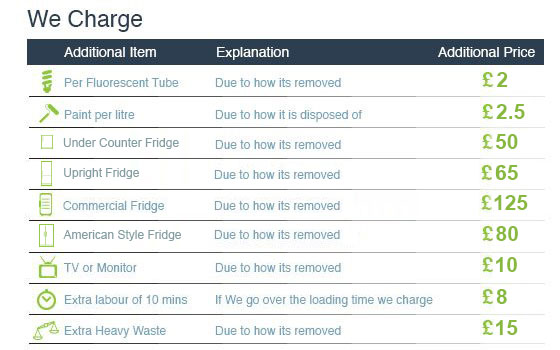
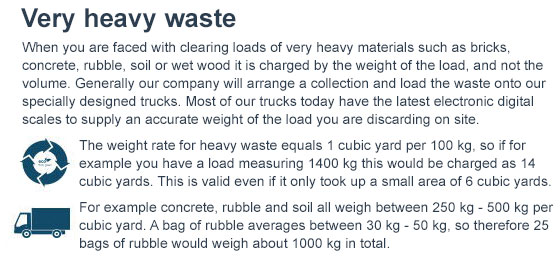
If you are comparing providers, look for plain answers rather than polished promises. Ask about arrival windows, what happens with mixed waste, whether the quote includes labour, and how pricing is explained. A clear quote is often a good sign in itself. You can also review the site's pricing and quotes page and payment and security information for extra peace of mind.
Law, Compliance, Standards, or Best Practice
Eviction clearance can sit close to legal, safety, and tenancy issues, so caution is sensible. This article is not legal advice, but a few best-practice points are worth keeping in mind.
First: make sure the clearance only happens once the relevant legal process, authority, and access arrangements are in place. Do not assume you can enter a property or remove belongings without the right permission. That needs to be settled properly.
Second: belongings should be treated carefully. Some items may have to be left aside, documented, or handled in line with the instructions of the landlord, agent, bailiff, or appointed representative. In property handovers, unclear ownership is the kind of problem that can grow legs very quickly.
Third: safety matters. Heavy lifting, blocked exits, sharp objects, and contaminated waste can all create hazards. Good clearance practice should reduce risk, not add to it. If you want a sense of the safety focus, see the company's insurance and safety information.
Fourth: responsible disposal is part of good practice. Reuse and recycling should be considered where possible, and waste should be handled through appropriate channels. The site's recycling and sustainability page is a helpful reference point for that broader approach.
There are also practical business standards to consider. Clear communication, insured work, respectful access arrangements, and honest quoting are all signs of a provider that understands urgent clearance properly. That's what you want on a day like this.
Options, Methods, or Comparison Table
Not every urgent eviction needs the same method. In some cases, a full clearance team is best. In others, a smaller collection or a targeted furniture removal works just fine. Here's a simple comparison.
| Method | Best for | Speed | Typical pros | Possible drawbacks |
|---|---|---|---|---|
| Same-day eviction clearance | Urgent handovers, mixed contents, tight deadlines | Very fast | One team handles removal, loading, and disposal | May need more precise coordination and access planning |
| Targeted rubbish collection | Smaller piles or a few rooms of waste | Fast | Simple and efficient for lighter jobs | Not ideal for bulky furniture or full-property clears |
| Furniture disposal | Sofas, beds, wardrobes, tables, white goods | Fast to medium | Good for heavy items and rooms with large furniture | Less suitable if the property also has mixed loose waste |
| Skip hire | Longer projects or repeated waste generation | Medium | Useful for staged clearouts | Requires space, permits, and loading time; not always ideal for same-day urgency |
For most urgent evictions, a removal team is easier than a skip. In Marylebone, space is precious, and a skip can be more trouble than it's worth unless the access and timing really suit it. If you are weighing up alternatives, the skip hire in Marylebone page is still worth a look, but many readers find an on-demand clearance simply fits better.
Case Study or Real-World Example
Picture a first-floor flat off a busy Marylebone street on a weekday morning. The tenancy has ended, the property needs to be handed back by the afternoon, and the rooms contain a mix of bags, an old bed frame, a damaged chair, and a few bulky pieces that the building manager does not want left in the hallway. The lift is too small for some items, so everything has to be moved carefully down the stairs.
In a situation like that, the best outcome comes from speed plus order. The team confirms access, checks what must remain, removes the bulky pieces first, then clears the smaller waste and does a final sweep of the main rooms. The property is left ready for the cleaner and the locksmith to follow. No drama, no huge delay, just the right sequence.
Now imagine the same job but with no photos, no access notes, and no one certain about the parking situation. The afternoon can disappear very quickly. That is why preparation is not just a nice extra. It is the difference between a smooth day and a messy one.
And honestly, in a place like Marylebone, smooth is what everyone is after.
Practical Checklist
Use this checklist before the clearance team arrives. It helps avoid the usual last-minute scramble.
- Confirm the eviction clearance is authorised and ready to proceed.
- Set aside documents, valuables, keys, and personal items.
- Take quick photos of the rooms if possible.
- Note all access details, codes, and parking restrictions.
- Identify any heavy or awkward items in advance.
- Tell the team about lifts, stairs, or narrow entrances.
- Keep pathways clear where you can.
- Check whether a final tidy-up or follow-on clean is needed.
- Share one clear contact person for the day.
- Walk through the property once the clearance is finished.
If you also need wider clearance support after the eviction, it can help to coordinate with related services such as office clearance for mixed-use properties or builders waste clearance in Marylebone if repairs and strip-out work are already underway.
Conclusion
Same-day clearance for urgent Marylebone evictions is about more than clearing space. It is about restoring control when a property situation has become time-sensitive, awkward, or emotionally heavy. Done well, it helps landlords, agents, and property managers move from crisis mode to the next practical step without unnecessary delay.
The best outcomes usually come from clear communication, fast but careful handling, and a team that understands the realities of central London access. If you keep the process organised from the start, the whole day feels lighter. Still busy, yes. But lighter.
Get a free quote today and see how much you can save.
If you are ready to arrange urgent support, start with the contact page and explain the situation clearly. A short, direct message with access details and photos can save a lot of time, and that can make all the difference on a tight schedule.
Sometimes the quickest way forward is simply a well-handled first step. In Marylebone, that counts for a lot.


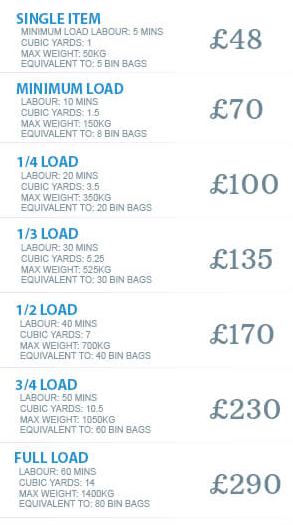
 Tipper Van - Rubbish Removal and Rubbish Disposal Prices in Marylebone, W1
 Luton Van - Rubbish Removal and Rubbish Disposal Prices in Marylebone, W1